
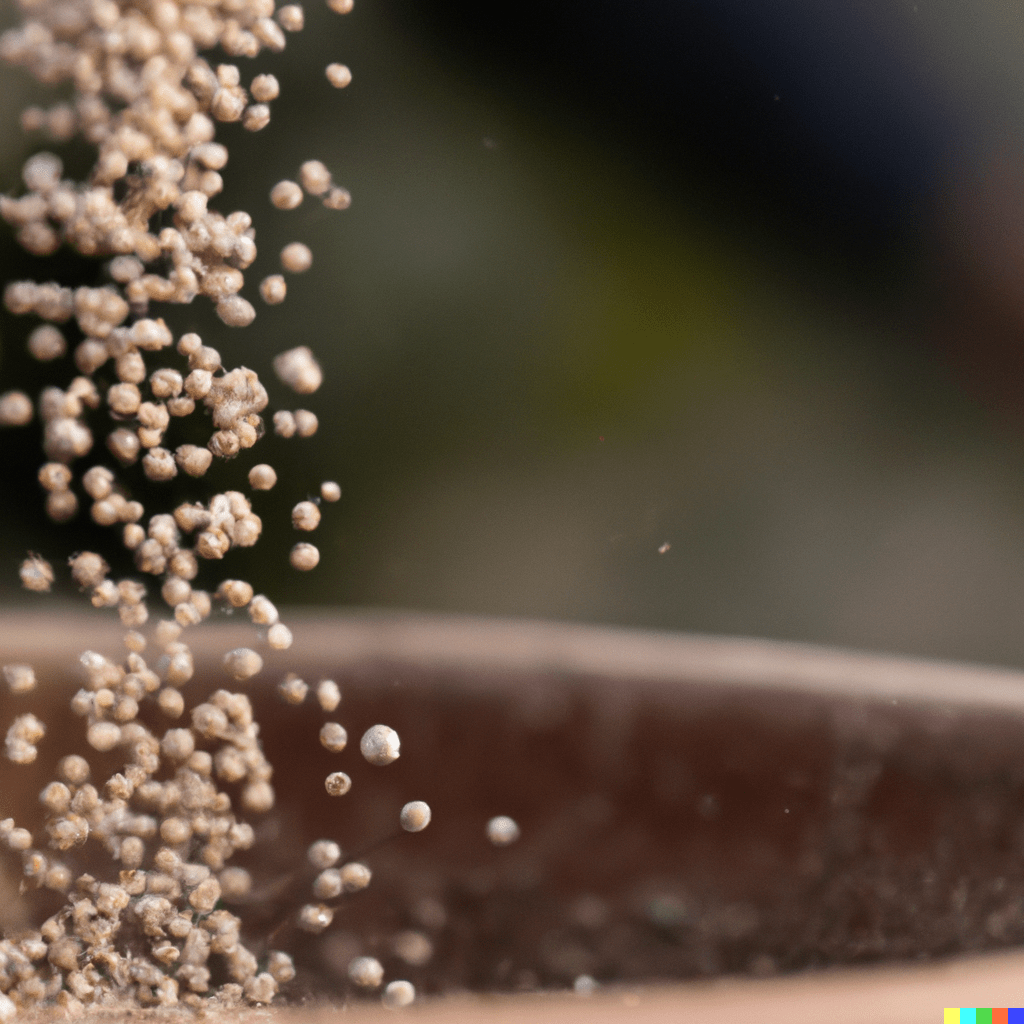
How do we use fertilizer in the most correct way?
How to use fertilizer correctly:
So how do we use fertilizer correctly:
In this article we will talk about different types of fertilizer, how to choose the right fertilizer, and how to use fertilizer in general.
What is fertilizer anyway?
Fertilizer is a substance used to enrich the soil with minerals essential to plants. Fertilization helps plants grow and develop in a healthy and strong way.
Fertilization usually also speeds up the growth and development process, but that doesn't mean you can apply fertilizer indefinitely.
There are many different types of fertilizers, each containing different mixtures of minerals. The type of fertilizer that is best for a particular plant depends on the type of plant, growing conditions, and stage of growth.
How to choose fertilizer:
To choose a suitable fertilizer, the following factors must be considered:
Plant type: There are special fertilizers adapted to different types of plants, such as fertilizer for pots, fertilizer for gardens, fertilizer for flowers, etc.
Growing conditions: There are fertilizers that are adapted to different growing conditions, such as fertilizer for acidic soil, fertilizer for alkaline soil, fertilizer for sandy soil, etc.
Growth stage: There are fertilizers that are adapted to different stages of plant growth, such as fertilizer for sowing, fertilizer for growing, fertilizer for fertilization, etc.
How to use fertilizer:
Instructions for using the fertilizer are on the packaging. It is important to follow the instructions to avoid damage to the plants.
Do's and don'ts:
Always look at the instructions for use on the packaging and follow them.
Use fertilizer at the appropriate frequency. The frequency of fertilizer use depends on the type of plant and its growing conditions. Generally, it is recommended to fertilize plants once or twice a month or every two months.
Use gloves and goggles when using fertilizer. Fertilizers can cause skin and eye irritation.
Do not overuse fertilizer: Using too much fertilizer can harm plants.
Do not use fertilizer on sick or damaged plants: Fertilizer may worsen the condition of sick or damaged plants.
Do not use fertilizer in hot or dry weather conditions: Fertilizer can cause plant roots to burn in hot or dry weather conditions.
Keep out of reach of children and animals.
Tips for using fertilizer:
Water your plants before fertilizing. Pre-watering will help the roots absorb the fertilizer better. (Unless otherwise specifically stated in the instructions for use).
Spread the fertilizer over the soil surface. Do not apply fertilizer directly to the leaves or stems of the plants.
Water your plants after fertilizing. Watering will help dissolve the fertilizer and transport it to the plant roots.
Types of fertilizers:
There are two main types of fertilizers: organic fertilizers and chemical fertilizers.
Organic fertilizers
Organic fertilizers are made from natural materials, such as compost, organic biohumus , etc. Organic fertilizers tend to be safer to use than chemical fertilizers.
Chemical fertilizers
Chemical fertilizers are produced through an artificial process. Chemical fertilizers tend to be more effective in terms of plant nutrition, but they can be more harmful to the overall environment.
Compound fertilizers: Fertilizers containing nitrogen, phosphorus, and potassium. Compound fertilizers are the most common fertilizers.
For example, a 20-20-20 fertilizer contains 20% nitrogen, 20% phosphorus, and 20% potassium.
Nitrogen fertilizers: Fertilizers that contain nitrogen. Nitrogen fertilizers help plants grow and develop rich, green foliage.
Phosphorus fertilizers: Fertilizers that contain phosphorus. Phosphorus fertilizers help plants develop a strong root system and produce flowers and fruit.
Potash fertilizers: Fertilizers containing potassium. Potash fertilizers help plants develop resistance to diseases and pests.
In conclusion
Fertilization is an important part of plant maintenance. Using fertilizer correctly can help plants grow and develop in a healthy, beautiful, and strong way.
Check out our online nursery garden where you can find a very wide variety of fertilization products, with which you can choose suitable plants and start fertilizing!