- Light: Full sun to partial shade. In sun - more blooms and fragrance. In shade - more foliage
- Watering: Regular in the first year. After establishment - relatively drought tolerant.
- Temperature: Heat-loving! Frost-sensitive - suitable for warm or sheltered areas
- Soil: Well drained, pH 6-7. Adapts to different soil types
- Fertilization: Balanced fertilizer in spring and summer. Fertilizer for flowering plants encourages flowering.
- Pruning: Decorative pruning after flowering. Tolerates heavy pruning for renewal or hedge shaping.
- Pot: Grows excellently in a large pot on a sheltered balcony.
Moriah is a perennial herb for the garden.
ืชื ืื ืืฉืืื
ืืฉืืื ืืืจืฆืืืย ื2 ืืื ืขืกืงืื, ืืขืจืื ืืืจืืช ืืืื ืืช ืฉื ืืขืืจ ืืืื, ใ คใ คใ คใ คใ คใ คใ คใ คใ คใ คใ คใ ค ืืชืืื ืืช ืืืชืจ ืื ืืืืืฉื ืืืื
ืื ืื ืฉืืฆืื ืืืืฉ ืฉืื ืฆืจืื ๐ฑ

ืชืืืืจ ืืื ืฉื ืืืืฆืจ ืืืฅ ืืชืืืืจ
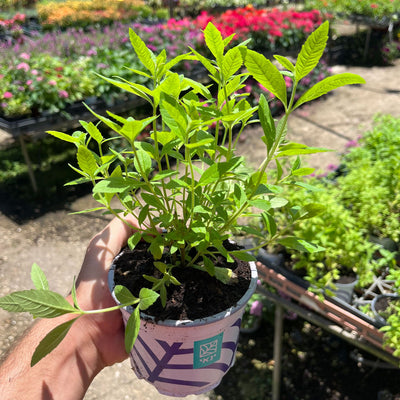
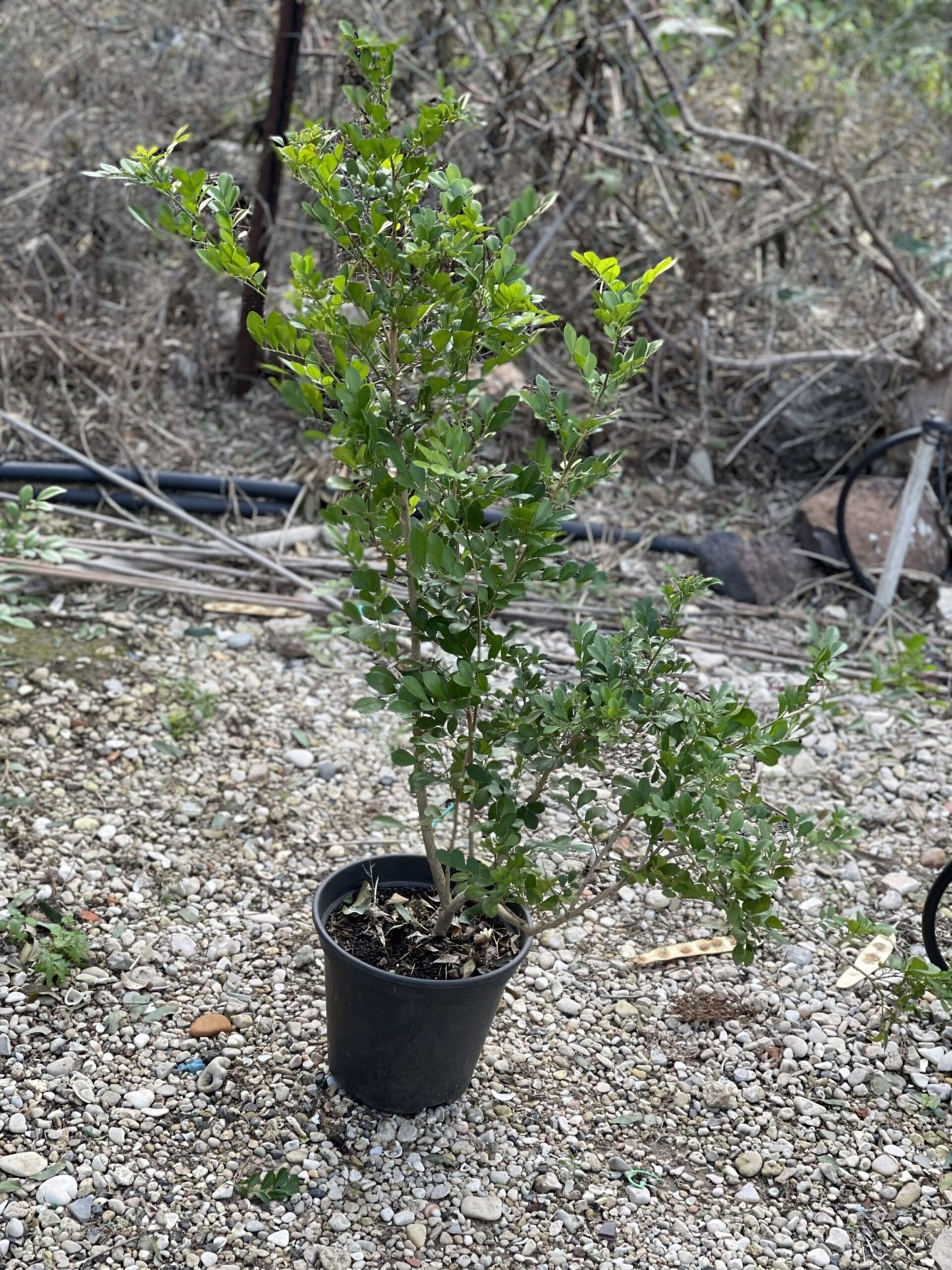
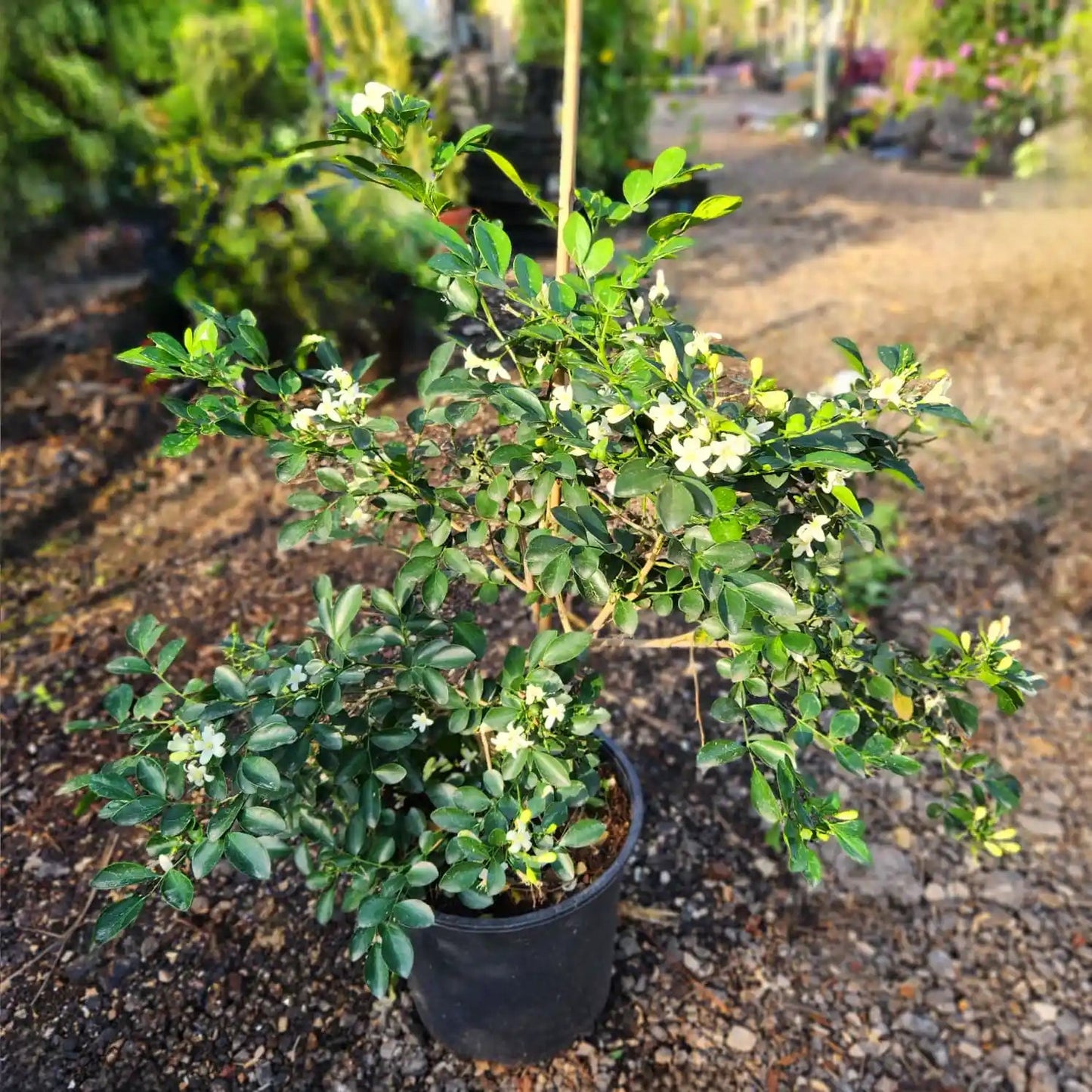
Moriah Machabdit (Orange Jasmine) is a spectacular ornamental shrub with one of the most intoxicating scents in nature! Tiny white flowers that emit a sweet fragrance reminiscent of oranges and jasmine - especially at night. Shiny green foliage all year round, repeat blooms several times a season, followed by beautiful red-orange berries. An easy-to-grow shrub that is perfect for the Mediterranean garden!
๐ฑ Growing conditions
โ ๏ธ Common problems and solutions
- No blooms or sparse blooms: Lack of sun or unbalanced fertilization. Move to a brighter location.
- Yellow leaves: Overwatering, poor drainage, or iron deficiency. Check drainage and add chelated iron.
- Cold damage: Brown branches after frost. Prune out damaged parts in spring.
- Aphids: Check under the leaves. Treat with potassium soap or mineral oil.
- Leaves falling off: usually water stress (too much or too little) or a change in environment
- Flour moth: White powder on leaves. Improve ventilation and treat with a suitable material.
- Fruit not formed: Natural - some varieties produce little fruit
๐ Why raise Moriah?
- ๐ธ Intoxicating scent: One of the sweetest scents in nature - oranges and jasmine together!
- ๐ Nighttime scent: The fragrance intensifies in the evening and at night - magic on the balcony
- ๐ Repeated flowering: blooms several times a year - not just once
- ๐ฟ Evergreen: Green, shiny foliage all year round
- ๐ Decorative berries: small red-orange fruits after flowering
- โ๏ธ Flexible pruning: Can be shaped as a shrub, small tree, or dense hedge
- ๐ฆ Butterfly attractant: The fragrant flowers attract butterflies and bees
- ๐ Privacy screen: Excellent for a green and fragrant hedge
- ๐ช Durability: Tolerates Israeli heat and relative dryness
๐ Plant information
- Scientific name: Murraya paniculata
- Family: Rutaceae (the pygmy family - like citrus!)
- Origin: Southeast Asia, China, Taiwan, India
- Height: 2-6 meters (depending on pruning)
- Width: 1-3 meters
- Growth rate: Medium to fast
- Plant type: evergreen shrub or small tree
- Flowering: Spring-summer, sometimes also in autumn (repeat flowering)
- Other names: Orange Jasmine, Orange Jasmine, Mock Orange, Satinwood
๐จ Garden uses
- Hedge: Excellent for a dense, fragrant green hedge. Trim to desired shape.
- Accent plant: as a single shrub or small group near an entrance or seating area
- Small tree: Can be pruned as a standard single-stemmed tree
- A flowerpot on the balcony: brings the intoxicating scent directly into the house
- Spice garden: blends beautifully with citrus and other spices
- Bonsai: Suitable for bonsai design - small leaves and beautiful bark
The secret to maximum scent? Plant the Moriah near a sitting area, entrance to the house, or under the bedroom window - the nighttime scent will be an experience! Perfect hedge: Plant 50-80 cm apart to create a dense hedge. Prune 2-3 times a year for maximum density. Frost protection: In areas with frost, plant near a south or west wall that radiates heat, or grow in a pot that can be brought inside. Moriah is related to citrus and can be used as a trunk for assembly!