

🎋 Lucky Bamboo (Lucky Tree) - The Complete Guide to Growing and Care
 המוצר מהמדריך זמין באתר
Lucky bamboo in a vase
240.00 ₪
המוצר מהמדריך זמין באתר
Lucky bamboo in a vase
240.00 ₪
📋 Quick Summary - Everything you need to know at a glance
Diffused light/shade
No direct sun!
Clean water
Change every 2-4 weeks
Home / Office
Perfect for a desk
Very easy
Perfect plant for beginners
16-29°C
Likes warmth, hates the cold
🌱 Getting to know Lucky Bamboo
Names and Identification
- Name in Hebrew: Lucky Bamboo, Luck Tree, Lucky Dragon Tree
- Scientific name: Dracaena sanderiana
- Common names: Lucky Bamboo, Ribbon Plant
- Family: Asparagaceae
Origin and History
Despite its name, Lucky Bamboo is not a bamboo at all! It belongs to the Dracaena family and originates from West Africa. The plant got its name because of its outer resemblance to bamboo. In Chinese culture, it has been considered a symbol of good luck, prosperity, and happiness for centuries.
Why grow Lucky Bamboo?
- 🍀 Brings luck: A symbol of good luck in Feng Shui
- 💧 Grows in water: No need for soil!
- 🌿 Easy to care for: Almost impossible to kill
- 🎁 Perfect gift: For any occasion
- 🏢 Office-friendly: Grows well in artificial lighting
- 🎨 Decorative: Elegant and unique look
Special features
- Height: 30 cm to 1.5 meters
- Stem: Green, fleshy, with rings
- Leaves: Green, narrow, and long
- Lifespan: Many years with proper care!
☯️ Feng Shui - The meaning of stalk numbers
In the practice of Feng Shui, the number of stalks in a Lucky Bamboo represents different types of blessings. Choose the number according to the blessing you wish to bring!
One stalk
Truth, commitment, simplicity
Two stalks
Love, relationships, double luck
Three stalks
Happiness, wealth, longevity ⭐
Five stalks
The 5 elements, balance in life
Six stalks
Luck, wealth, business success
Seven stalks
Health, harmony
Eight stalks
Abundance, growth, fertility ⭐
Nine stalks
Great luck, longevity
Ten stalks
Perfection, completing a cycle
21 stalks
Powerful blessing for every area!
According to Feng Shui, Lucky Bamboo represents all 5 elements: Wood (the plant itself), Water (in the container), Earth (the pebbles), Metal (glass container or coin), Fire (red ribbon).
🌤️ Growing conditions - The key to success
☀️ Light
Ideal type of light: Diffused, indirect, bright but not direct.
Tolerance: Lucky Bamboo does just fine in low light and even in artificial light only!
Healthy growth, intense green color
Burns the leaves! Avoid
💡 Tip: A perfect spot - near a north-facing window or a few meters away from a bright window. Also grows great in fluorescent office light!
💧 Water and watering
Growing in water (most common):
- Maintain a water level that covers the roots (5-10 cm)
- Change the water every 2-4 weeks
- Use filtered, distilled, or rainwater
- If using tap water - let it sit for 24 hours before use
Growing in soil:
- Water when 50% of the soil is dry
- Do not leave standing water at the bottom
- Good drainage is critical!
Lucky Bamboo is sensitive to chlorine and fluoride in tap water! Tap water can cause yellowing of the leaves. It is recommended to use filtered water or let tap water sit for a day before use.
🌡️ Temperature and humidity
Ideal range: 16-29°C (normal room temperature)
Cold tolerance: Low! Do not expose to temperatures below 10°C
- Heat: Tolerates up to 32°C well
- Cold: Sensitive! Do not place near an air conditioner or open window in winter
- Humidity: Likes medium-high humidity
🪴 Growing container
Growing in water:
- ✅ Glass container (most popular)
- ✅ Stones/pebbles for stability
- ✅ Opaque ceramic container
- 💡 Transparent container allows seeing the roots and water level
Growing in soil:
- Well-draining soil mix
- Pot with drainage holes
- Perlite can be added to improve drainage
🧪 Fertilization
Important principle: Lucky Bamboo hardly needs fertilizer! It is a modest plant that grows well without any fertilizer at all.
When to fertilize (if at all)?
- Every 2-3 months (spring and summer only)
- Or once or twice a year
- In winter - no need to fertilize!
Which fertilizer?
- A small drop of liquid fertilizer for houseplants
- Nitrogen (N) rich fertilizer
- Diluted to 1/4 of the recommended concentration!
Over-fertilization is one of the most common reasons for yellowing! If the stalk is yellowing from the bottom - you may have fertilized too much. Stop fertilizing and change the water.
✂️ Pruning and propagation
Pruning
Lucky Bamboo does not require much pruning. The stalks themselves keep their height, but the leaves will continue to grow.
- ✂️ Remove yellow or dry leaves
- ✂️ Trim leaves that are too long if you want a tidy look
- ✂️ You can cut offshoots for propagation
🔄 Propagation - very easy!
- Cut an offshoot with several leaves
- Or cut part of the main stalk above a node (ring)
- Place in a container with clean water
- Wait for root growth (2-4 weeks)
- Continue to grow in water or transfer to soil
💡 Tip: You can cut a long stalk into several pieces, each with at least one node, and they can all become new plants!
🔧 Common problems and solutions
🟡 Yellowing leaves
Possible causes:
- Water with chlorine/fluoride
- Direct sun too strong
- Over-fertilization
- Contaminated/old water
Solution: Switch to filtered water, move from too bright a spot, stop fertilizing
🟤 Yellowing stalk
Possible causes:
- Root rot
- Contaminated water over time
- Severe over-fertilization
Solution: If the stalk is yellow - it is usually too late. Cut the green top part and root it again!
🟤 Brown leaf tips
Possible causes:
- Air too dry
- Water with minerals
- Under-watering
Solution: Mist the leaves with water, switch to filtered water, increase humidity
🌿 Pale/faded leaves
Possible causes:
- Too much light
- Lack of nutrients
Solution: Move to a shadier spot, or add a drop of fertilizer
🦠 Algae in water
Causes:
- Water sitting for a long time
- Exposure to light
Solution: Change water more often, use an opaque container, wash the stones
🐛 Pests
Common pests:
- Spider mites
- Aphids
- Mealybugs
Solution: Wash the plant with water, use neem oil or potassium soap
❓ Frequently Asked Questions
No! Despite the name and similar appearance, Lucky Bamboo belongs to the Dracaena family, not true bamboo. It gets its name from its green, segmented stalk that resembles bamboo.
With proper care, Lucky Bamboo can live for many years - up to 10-15 years or even more! In water, it usually lives for 1-2 years, but if transplanted to soil, it can live much longer.
The curls are created artificially by growers! They rotate the plant in relation to light in a controlled manner over several months to create the twisted shapes. At home, the plant will grow straight.
Both are good! Growing in water is easier and allows you to see the roots. Growing in soil allows the plant to grow larger and live longer. Choose according to your preference.
The stalks themselves do not grow after being cut (unlike true bamboo). What grows are the leaves and side branches (offshoots) that sprout from the nodes.
East - for health and family. Southeast - for wealth and prosperity. On a desk - for career success. At the entrance to the house - for a positive welcome.
In Feng Shui, the red ribbon represents the fire element and enhances positive energy. It also "activates" the plant's blessings. It is recommended to tie a red ribbon around the vase or the stalks.
🎁 Lucky Bamboo as a Gift
Lucky Bamboo is the perfect gift for any occasion - meaningful, beautiful, and easy to care for!
Wedding
2 stalks - love and partnership
Housewarming
3 stalks - happiness and prosperity
Business Opening
6 or 8 stalks - business success
Birthday
9 stalks - luck and longevity
Get Well Soon
7 stalks - health
General Blessing
21 stalks - powerful blessing
🇮🇱 Adapting to the Israeli Climate
Lucky Bamboo is suitable for growing in Israel primarily as an indoor plant. It is sensitive to cold and the strong Israeli sun.
☀️ Summer
- Location: Indoors, away from southern windows
- Water: Change more frequently (every week or two)
- Air conditioning: Do not place directly in front of a cold air stream
❄️ Winter
- Location: Away from cold windows and doors
- Temperature: Ensure the room does not drop below 15°C
- Heating: Do not place near a radiator
🛒 Shopping and Recommended Products
🛍️ Recommended Products from Deco Garden
Lucky Bamboo
In a variety of stalk counts
Glass Vases
In various sizes and designs
Decorative Stones
For stability and decoration
Red Ribbons
For Feng Shui
Hydroponic Fertilizer
For aquatic plants
Gift Sets
Wrapped and ready
📊 Summary Table - All Information in One Place
| Category | Details |
|---|---|
| ☀️ Light | Filtered light. No direct sun! |
| 💧 Water | Clean water, change every 2-4 weeks |
| 🌡️ Temperature | 16-29°C. Sensitive to cold! |
| 🧪 Fertilization | Almost unnecessary! Diluted, once every 2-3 months |
| 🌱 Propagation | Cuttings in water - very easy! |
| 📏 Size | 30 cm - 1.5 meters |
| ☯️ Feng Shui | Luck, prosperity, positive energy |
🎋 Deco Garden - Home for Your Lucky Plants
Have questions about growing Lucky Bamboo? Need help? We are here for you!
📧 Contact us | 📱 Follow us on social media | 🌱 Buy plants and products
© 2025 Deco Garden - All rights reserved
The guide was written by the Deco Garden expert team
🛒 המוצרים מהמדריך
הצמחים והמוצרים שהמדריך מדבר עליהם — לחיצה על כרטיס מעבירה לעמוד המוצר.
-
 Lucky bamboo in a vase
240.00 ₪לעמוד המוצר
Lucky bamboo in a vase
240.00 ₪לעמוד המוצר
-
 Lucky bamboo in a round glass container
120.00 ₪לעמוד המוצר
Lucky bamboo in a round glass container
120.00 ₪לעמוד המוצר
-
 Lucky bamboo in a square container
65.00 ₪לעמוד המוצר
Lucky bamboo in a square container
65.00 ₪לעמוד המוצר
-
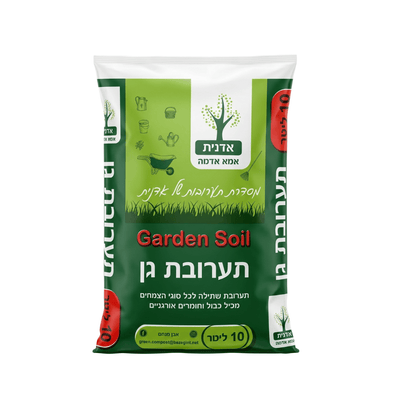 Migdal from the Northern Border 10 liter planting mix
14.00 ₪לעמוד המוצר
Migdal from the Northern Border 10 liter planting mix
14.00 ₪לעמוד המוצר
-
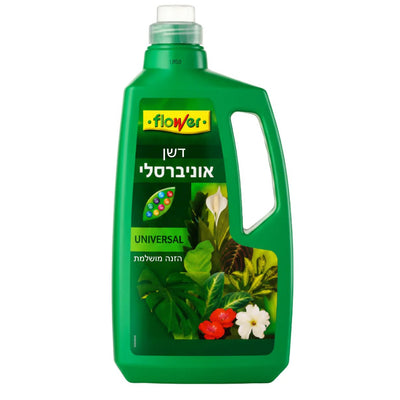 Universal Fertilizer 1.2 liters
45.00 ₪לעמוד המוצר
Universal Fertilizer 1.2 liters
45.00 ₪לעמוד המוצר
-
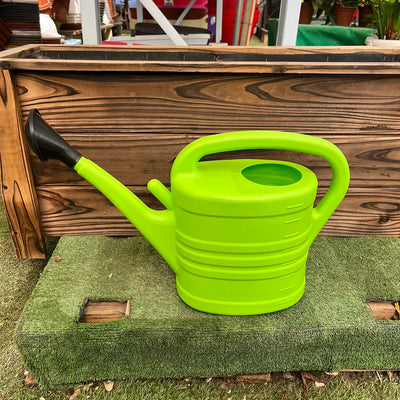 funnel
החל מ-18.00 ₪לעמוד המוצר
funnel
החל מ-18.00 ₪לעמוד המוצר


