🎄 Poinsettia | The Complete Guide to Growing and Care
 המוצר מהמדריך זמין באתר
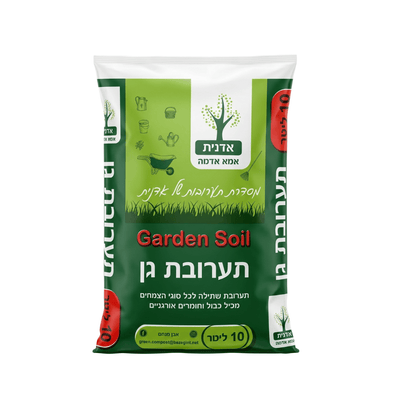
Migdal from the Northern Border 10 liter planting mix
14.00 ₪
המוצר מהמדריך זמין באתר
Migdal from the Northern Border 10 liter planting mix
14.00 ₪
📋 Quick summary - everything you need to know at a glance
Bright, indirect
6+ hours of diffused light
Moderate
Do not over-wet!
medium
Requires attention
Winter (Nov-March)
Short day plant
30-90 cm (indoor)
Up to 3 m outdoors
16-24°C
Sensitive to cold and heat!
🌱 Getting to know the generation of milk thistle
Naming and identification
- Hebrew name: Halavlov Hador, Halavlov Red
- Scientific name: Euphorbia pulcherrima
- English names: Poinsettia, Christmas Star, Christmas Flower
- Family: Euphorbiaceae
- Type: Perennial shrub/small tree
Origin and background
It originates from Mexico and Central America . It is called "Flor de Nochebuena" (Christmas Eve flower). It arrived in the United States in 1828 by Ambassador Joel Poinsett - hence its name!
Unique features
- 🔴 Red "flowers": actually colorful petals!
- 💛 The real flowers: tiny and yellow in the center
- 🎄 Symbol of the holidays: Hanukkah and Christmas
- 📅 Short-day plant: blooms in response to long nights
- 🥛 White resin: typical of the milkweed family
The secret of the "flowers"
What appear to be flowers are actually sepals - changing leaves that surround the actual flowers. They change color as the days get shorter!
✨ Why choose the latest generation of Halallov?
Holiday atmosphere
Perfect for Hanukkah and Christmas
Color in winter
When the garden is quiet
Variety of colors
Red, pink, white, orange
Houseplant
Suitable for home interiors
Perfect gift
For holidays and events
Air purifier
Pollutant filter
🎨 Varieties and colors
The generation of milkweed comes in an amazing variety of colors:
Red (classic)
Best Seller! 75% of Sales
pink
From the Princettia series
White/Cream
Elegant and special
Orange/Peach
Viking Varieties
yellow
Lemon Glow
Speckled/marbled
Ice Crystal, Marble
🌤️ Detailed growing conditions
☀️ Light
The new generation of milkweed loves bright, indirect light!
- ✅ Ideal: 6+ hours of bright, indirect light
- 🌤️ Location: Near a bright window (not direct scorching sun)
- ⚡ Morning sun: A little morning sun - okay!
- ❌ Avoid: Direct midday sun (causes fading)
- ❌ Does not tolerate: low light (will not succeed)
💧 Irrigation - the key point!
Important! The generation of milkweed is sensitive to both excess and lack of water .
Important principles:
- ✅ Water when the surface of the soil dries out (check with your finger)
- ✅ Water thoroughly - until it comes out of the drainage holes
- ✅ Water in the morning with lukewarm water
- ❌ Do not leave water in the bottom of the pot!
- ❌ Don't let the plant wither - it weakens it!
🌡️ Temperature - Very sensitive!
The generation of milkweed is sensitive to temperature shocks!
18-24°C (65-75°F)
13-16°C (55-60°F)
10°C (50°F)
Below - serious damage!
- Openings and doors (cold air currents)
- Air conditioners and radiators
- Cold windows at night
- Temperatures below 10°C
💨 Humidity
- Preferred: High humidity (50-60%)
- You can place damp pebbles on a tray.
- A humidifier can help.
- Too dry air causes leaves to drop.
🌍 Land
- ✅ Light and well-drained soil
- ✅ Mixture: Potting soil + perlite/sand
- ✅ pH: 5.5-6.5 (slightly acidic)
- ✅ Excellent drainage - essential!
🧪 Fertilization
During the "blooming" period (November-March):
Do not fertilize! The plant does not need fertilization while the leaves are colorful.
If saving for next year:
- ✅ Start fertilizing in the spring when you see new growth
- ✅ Balanced liquid fertilizer, diluted by half
- ✅ Every 2-4 weeks (April-September)
- ✅ Phosphorus-rich fertilizer to encourage color
- ❌ Stop fertilizing in the fall
✂️ Pruning
Pruning is essential if you want to save the plant for next year!
📅 Pruning schedule:
- February-March: When the leaves begin to fade, prune to 15-20 cm.
- May-June: Cut 5-8 cm from the ends to encourage branching.
- July: Last pruning before preparing for flowering
- After July: Don't overdo it! You'll damage the blooms.
🌟 The secret to re-blooming!
Want your hyacinth to bloom again next winter? It's possible - but it requires perseverance!
📅 Rebloom Calendar:
🌙 What is short day care?
The secret to the red color! The plant needs 14 hours of continuous darkness every night for 8-10 weeks.
- 🌃 From 6 pm to 8 am - complete darkness
- 📦 Cover with cardboard or a black bag
- 🚫 Even the light of a lamp in the background disrupts the process!
- ☀️ At 8 o'clock in the day - normal bright light
🔧 Common problems and solutions
🍂 Yellow and falling leaves
Reasons:
- Overwatering (the most common cause!)
- Cold or hot air currents
- Light too low
Solution: Check drainage, move away from drafts, move to a bright location.
😢 Innocents wither and shrink
Reasons:
- Lack of water (the plant is thirsty!)
- Exposure to cold
Solution: Water immediately! If it's cold - move it to a warm place.
🌿 Long and "skinny" plant
Reason:
- Lack of light
- Didn't trim on time
Solution: Move to stronger light. Prune in spring to encourage dense growth.
🔴 The innocent don't blush.
Reasons:
- Short day care not provided
- Exposure to light at night
Solution: 14 hours of complete darkness at night, 8 hours of light during the day.
🐛 Pests
Common in poinsettias!
Solution: Yellow traps, potassium soap
On stems and leaves.
Solution: Neem oil, potassium soap
In dry air.
Solution: Increase humidity, spray water
📅 Calendar for the generation of milk
- Enjoy the color!
- Moderate watering
- Bright indirect light
- Do not fertilize
- Innocent people are getting tired.
- Trim to 15-20 cm.
- Reduce watering
- Transfer to a large pot
- Start fertilizing.
- New growth
- Can be outdoors (partial shade)
- Irrigation and fertilization
- Last cut in July
- Put it back in.
- Short day care!
- 14 hours of darkness at night
- Stop fertilizing.
- The color should appear!
- Stopped for a short day
- Return to normal care
❓ Frequently Asked Questions
The most common cause is overwatering or cold air currents . Make sure there is good drainage and keep away from doors, windows and air conditioners.
Yes! With proper care (pruning, fertilization, and short day care in the fall) the plant can re-bloom. It takes perseverance but it is possible!
The plant did not get enough long nights . For the buds to turn red, the plant needs 14 hours of continuous darkness at night for 8-10 weeks.
With proper care, the colorful flowers can stay beautiful for 6-8 weeks or even longer! Avoid cold, drafts, and overwatering.
📊 Summary table
| category | Details |
|---|---|
| ☀️ Light | Bright and indirect (6+ hours) |
| 💧 Irrigation | Moderate, as the soil dries out |
| 🌡️ Temperature | 16-24°C (sensitive to cold!) |
| 💨 Humidity | High (50-60%) |
| 📏 Size | 30-90 cm at home |
| 🎄 "Blossom" | Winter (Nov-March) |
| 🎨 Colors | Red, pink, white, orange, yellow |
| 📊 Difficulty level | Medium (requires attention) |
🎄 Deco Garden - Love for Plants
Do you have questions about the latest hollyhocks? Looking for a poinsettia for the holidays? We're here for you!
📧 Contact us | 📱 Follow us on social media | 🌱 Buy plants and products
© 2025 Deco Garden - All rights reserved
The guide was written by the Deco Garden team of experts.
🛒 המוצרים מהמדריך
הצמחים והמוצרים שהמדריך מדבר עליהם — לחיצה על כרטיס מעבירה לעמוד המוצר.