🌿 Pejua | The Complete Guide to Growing and Care
 המוצר מהמדריך זמין באתר
Pejoya 10 liters
95.00 ₪
המוצר מהמדריך זמין באתר
Pejoya 10 liters
95.00 ₪
📋 Quick Summary - Everything you need to know at a glance
Full sun / partial shade
At least 6 hours
Low to moderate
Water-efficient!
Easy
Resilient and hardy
April-May
Edible flowers!
October-December
Pineapple-guava flavor
Down to -10°C
Cold-resistant!
🌱 Getting to know the Feijoa
Names and Identification
- Hebrew name: Feijoa
- Scientific name: Feijoa sellowiana (Acca sellowiana)
- Common names: Pineapple Guava
- Family: Myrtaceae
Origin and History
It originates from South America - Brazil, Uruguay, Paraguay, and Argentina. It arrived in Israel during the British Mandate (1920s) as an ornamental plant.
In the 1970s, Ephraim Slor developed the "Slor" variety - an Israeli cultivar with exceptionally large fruit!
Why Feijoa?
- 🍐 Delicious fruit: Unique pineapple-guava taste
- 🌸 Edible flowers: Sweet like candy!
- 💧 Water-efficient: Requires very little
- ❄️ Cold-resistant: Down to -10 degrees!
- 🎨 Beautiful ornamental tree: Silvery-green leaves
- 🌳 Excellent hedge: Dense and stable
Characteristics
- Height: 2-5 meters (shrub/small tree)
- Leaves: Silvery-green, evergreen
- Flowers: Stunning white-red
- Growth: Slow
⭐ Why is the Feijoa so special?
The Feijoa is one of the easiest and most rewarding fruit trees to grow in Israel!
Edible flowers
Sweet as candy!
Water-efficient
Perfect for our climate
Cold-resistant
Survives down to -10°C!
Disease-resistant
Almost no care needed
🎨 Popular Feijoa Varieties
There are many varieties - here are the most common in Israel and worldwide:
🇮🇱 Slor - The Israeli variety!
Extra large fruits, excellent taste. Developed in Israel by Ephraim Slor. The most common variety in the country.
🌟 Apollo
Medium-large fruits, high yield. Productive and tasty. Pollinates Gemini.
🦣 Mammoth
As its name implies - giant fruits! Wrinkled skin. Requires a pollinator for best results.
✨ Unique
Self-fertile! Medium, sweet fruits. Starts blooming at a young age. Recommended for balconies.
🎋 Bambina
Dwarf variety! Perfect for pots and balconies. Self-fertile, small but tasty fruits.
🌿 Coolidge
Fully self-fertile! Reliable and heavy cropper. Ideal if you only have space for one tree.
🌤️ Growing conditions - The key to success
☀️ Light
Light requirement: Feijoa loves full sun but will also manage in partial shade.
Full sun (6+ hours)
Partial shade (reduced flowering)
💧 Watering - Water-efficient!
Key principle: Feijoa is drought-resistant and requires relatively little water!
Watering frequency:
- Mature tree: Once every week or two in summer, less in winter
- Young tree: More regular watering in the first year
- In a pot: As needed, when the soil dries out
When to increase watering:
- 🌸 During flowering and fruit set
- 🍐 During fruit ripening (crucial for quality!)
- ☀️ On especially hot days
🪴 Soil
The Feijoa is not picky! It adapts to most soil types in Israel.
What works:
- ✅ Well-drained soil (most important!)
- ✅ Sandy, clay, or rocky soil
- ✅ pH 5.5-7.0
- ✅ Soil rich in organic matter (preferred)
- ❌ Waterlogged soil - leads to root rot!
Planting intervals:
- Single tree: 3-5 meters from other trees
- Hedge: 1 meter between trees
- Orchard: 4-5 meters between rows
🌡️ Temperature - Cold resistant!
Major advantage: Feijoa is more cold-resistant than most fruit trees!
- ❄️ Cold resistance: Down to -8-10 degrees!
- ☀️ Ideal range: 15-28°C
- 🥶 Chilling requirements: About 50 chill hours for good yield
- 🏔️ Suitable for all parts of the country - including the Judean Hills and the Galilee!
🐝 Pollination - The key to yield!
Most Feijoa varieties require cross-pollination from another tree!
What does this mean in practice?
- 🌳🌳 Plant at least 2 trees of different varieties
- 🐝 Bees and birds transfer pollen
- 🌸 Birds eat the petals and pollinate!
- ✋ Hand pollination with a brush is also possible
Self-pollinating varieties (for a single tree):
- ✅ Unique
- ✅ Coolidge
- ✅ Bambina (dwarf)
- ✅ Sellowiana (the original)
But! Even these will produce more and larger fruits with a pollinator!
🌸 Blooming - Edible flowers!
One of the most special things about the Feijoa: The flowers are edible and sweet!
🌺 Flower appearance
- White petals on the outside
- Prominent red stamens
- Single flowers on stalks
- Look like small "fireworks"!
😋 How to eat?
- Eat only the white petals
- Taste is sweet like candy
- Hint of strawberry/pineapple flavor
- Add to salads and desserts
📅 Blooming season
In Israel: April-May (about a month)
🍐 Fruit and harvesting
🥝 Fruit description
- Green color (even when ripe!)
- Egg-shaped
- Size: 4-8 cm (depending on variety)
- Internal flesh is creamy and fragrant
- Taste of pineapple + guava + strawberry
📅 Fruit season
- Start: October
- Peak: November-December
- End: January
- About 2-3 months of harvesting!
🎯 How do you know the fruit is ripe?
The big secret: Ripe Feijoa falls from the tree!
- ✅ Collect fruits that have fallen to the ground
- ✅ Check gently - ripe fruit detaches easily
- ✅ The fruit should be slightly soft to the touch
- ❌ Don't pick hard fruit - it won't be tasty!
💡 Tip: Keep the grass short under the tree - it's easier to find the fruit!
🥄 How to eat?
- Cut the fruit crosswise
- "Scoop out" the content with a spoon
- Eat the inner flesh + the seeds (they are edible!)
- Do not eat the skin
✂️ Pruning and Maintenance
Feijoa doesn't require much pruning, but proper pruning will improve the yield!
When to prune?
- 📅 After harvesting (winter) - the ideal time
- ❄️ Avoid pruning in areas with late frosts
- 🌱 Feijoa flowers on new growth - pruning encourages flowering!
What to prune?
- ✂️ Weak and spindly branches
- ✂️ Dead or damaged branches
- ✂️ Branches that block light and air to the center of the tree
- ✂️ Lower branches (to make harvesting easier)
- ✂️ Height - you can keep it at 2.5-3.5 meters
Growing as a hedge
Feijoa is excellent for a hedge:
- Dense and full
- Can be pruned into shapes
- ⚠️ Heavy pruning will reduce flowering and fruit
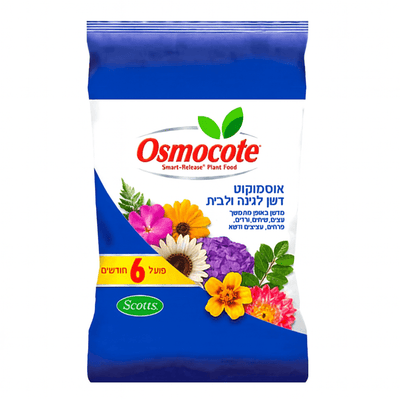
🧪 Fertilization
Feijoa is not "hungry" - moderate fertilization is enough!
Fertilization schedule:
Balanced fertilizer before flowering
Additional fertilizer if needed
Pause before harvest
Recommendations:
- First year: 250 grams of balanced fertilizer
- Add 250 grams each year up to a maximum of 5 kg for a mature tree
- Organic fertilizers: Compost, sheep manure, blood and bone meal
- In a pot: Liquid citrus and fruit fertilizer
🔧 Common Problems and Solutions
Feijoa is a very hardy tree! But there are a few things to know:
🪰 Mediterranean Fruit Fly
The main problem! The fly loves the fruit.
Solutions:
- Pheromone traps
- Netting on the fruit
- Preventive treatment after flowering
- Collection of fallen infested fruit
🍂 No fruit / low yield
Possible reasons:
- Lack of pollination - you need another tree!
- Tree is too young (3-7 years to bear fruit)
- Excessive pruning
- Lack of sun
🥀 Flowers dropping
Possible reasons:
- Dryness (the tree drops flowers)
- Lack of pollination
- Tree is too dense (birds cannot enter)
🍐 Small / tasteless fruit
Possible reasons:
- The variety itself (seed-grown vs. grafted)
- Lack of water during fruit development
- You harvested too early
🐛 Other pests (rare)
Brown lumps on branches.
Treatment: Winter oil, potassium soap
Rolled leaves with caterpillars.
Treatment: Manual removal, Bt
🪴 Growing Feijoa in a pot
Yes, you can grow Feijoa in a pot! Perfect for balconies and rooftops.
At least 50 liters for a mature tree. Start with 25 liters and move to a larger one.
Bambina - a dwarf variety! Or Unique - self-pollinating.
More frequent than in a garden. Check soil moisture regularly.
More assertive pruning to maintain size. After harvest.
🥗 Culinary uses
Feijoa is a versatile fruit with a unique taste!
Fresh
Half + spoon!
Ice creams
and frozen sorbets
Jams
and chutneys
Smoothies
and juices
Baking
cakes and muffins
Flowers
for salads and desserts
❓ Frequently Asked Questions
Grafted tree: 2-3 years. Tree from seed: 5-7 years! Therefore, it is recommended to buy a grafted tree of a known variety.
Highly recommended! Even "self-pollinating" varieties will bear more fruit with a pollinator. Check if the neighbor has a tree.
Several possible reasons: A variety that produces small fruit (seed-grown), lack of pollination, or lack of water while the fruit is growing.
Not necessarily. The flowers are always white with red stamens. If the flower is pollinated - there will be fruit.
The secret: A ripe feijoa falls from the tree! Collect fruit that has fallen, or pull gently - a ripe fruit will detach easily.
Very! Survives down to minus 10 degrees. Suitable for all areas of the country including mountains.
🛒 Recommended products from Deco Garden
Feijoa trees
Sellowiana variety and others
Citrus and fruit fertilizer
For fruit trees
Fruit fly traps
Fruit protection
Soil for fruit trees
Draining and rich
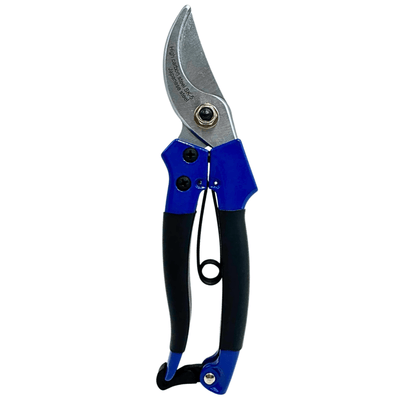
Pruning shears and grafting knife
For professional pruning
Large pots
For balcony growing
📊 Summary table - all information in one place
| Category | Details |
|---|---|
| ☀️ Light | Full sun to partial shade |
| 💧 Irrigation | Low-medium, water-efficient |
| 🌡️ Temperature | Cold hardy up to -10°C! |
| 🌱 Soil | Well-draining, undemanding |
| 📏 Size | 2-5 meters (shrub/small tree) |
| 🌸 Flowering | April-May (edible flowers!) |
| 🍐 Fruit | October-December |
| 🐝 Pollination | Preferably 2 trees of different varieties |
| 📊 Difficulty level | Easy - a hardy and unpretentious tree |
🌿 Deco Garden - Love for plants
Do you have questions about growing Feijoa? Need help? We are here for you!
📧 Contact us | 📱 Follow us on social media | 🌱 Buy plants and products
© 2025 Deco Garden - All rights reserved
The guide was written by the Deco Garden team of experts
🛒 המוצרים מהמדריך
הצמחים והמוצרים שהמדריך מדבר עליהם — לחיצה על כרטיס מעבירה לעמוד המוצר.