

🐘 Elephant Ear (Aloxia) - The Complete Guide to Growing and Care
 המוצר מהמדריך זמין באתר
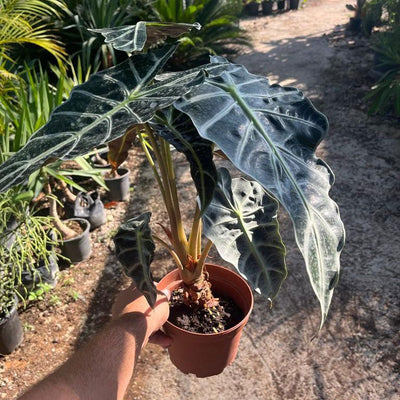
Aloxia poly pot diameter 15 cm (perennial for the home)
75.00 ₪
המוצר מהמדריך זמין באתר
Aloxia poly pot diameter 15 cm (perennial for the home)
75.00 ₪
📋 Quick summary - everything you need to know at a glance
Indirect light
No direct sun!
Medium-high
Maintaining constant humidity
House / Shaded Balcony
Impressive tropical plant
medium
Requires attention to humidity
18-29°C
Tropical, sensitive to cold
🌱 Introduction to the elephant ear
Naming and identification
- Hebrew name: Elephant's ear, Aloxia
- Scientific name: Alocasia
- Common names: African mask, Elephant Ear
- Family: Araceae
Origin and history
Elephant ear comes from the tropical rainforests of Southeast Asia and Australia. In nature, it grows on the forest floor, under the canopy of tall trees, and is therefore adapted to diffused light and high humidity.
There are about 97 species of Aloxia, and each offers unique leaf shapes and colors!
Why grow an elephant ear?
- 🌿 Dramatic leaves: large and impressive
- 🎨 Variety of styles: different colors and textures
- 🏠 Tropical effect: brings the jungle home
- 📸 Photogenic: Great for Instagram!
- ⬆️ Tall and impressive: a statement plant
- 🌱 Fast growth: a new leaf every week in the summer!
Characteristics
- Height: 30 cm to 2 meters (depending on variety)
- Leaves: heart-shaped/arrow-shaped, up to 60 cm
- Stems: Long and upright
- Growth: Rapid in the warm season
🐘 Why is it called "elephant ear"?
The answer is simple - the large heart-shaped leaves resemble elephant ears!
Leaf shape
Big and rounded like elephant ears
Direction of growth
The leaves face upwards.
Function in nature
Catching rain and navigating to the roots
🎨 Popular types of aloxia
There are almost 100 species! Here are the most common and beautiful:
🌿 Aloxia poly
Alocasia Polly
The most common! Dark glossy leaves with prominent white veins. Compact - perfect for the table.
🦓 Aloxia Zabrina
Alocasia Zebrina
Zebra-striped stems! Large arrow-shaped leaves. A statement plant.
🖤 Aloxia Black Velvet
Alocasia Black Velvet
Velvety, almost black leaves with silver veins. Elegant and unique!
🐉 Aloxia Dragon Scale
Alocasia Dragon Scale
Leaves with a texture like dragon scales! Amazing 3D effect.
🌸 Aloxia Frydek
Alocasia Frydek
Velvety green with white veins. Soft to the touch, very elegant.
🌴 Aloxia odora
Alocasia odora
The largest in the family! Huge leaves, can reach 2 meters. Fragrant when in bloom.
🌤️ Growing conditions - the key to success
☀️ Light
Ideal type of light: bright and indirect - lots of light but not direct!
Near an east/north window, or away from a south window
Direct sun will burn the leaves!
How do you know if there is enough light?
- Bright green leaves: perfect light ✅
- Very dark green leaves: lack of light - move to a brighter location
- Pale leaves/brown spots: too much light - keep out of the sun
💡 Tip: Strong light will make the leaves more colorful and spectacular!
💧 Irrigation - a delicate balance!
Key principle: Aloxia likes moisture but not soggy! Keep the soil moist but not wet.
Watering frequency:
- Summer: once or twice a week
- Winter: Once a week or two (the plant is dormant)
- Rule: When the top 2-3 cm of the soil is dry
How do you know when to water?
The top layer is dry to the touch.
The ground is still damp.
Irrigation method:
- Water thoroughly until water comes out of the drainage holes.
- Empty the plate! The plant must not sit in water.
- Room temperature water is preferable.
💨 Humidity - the critical factor!
Requirement: High humidity - 60-80% - this is what makes aloxia challenging!
Aloxia comes from tropical rainforests with very high humidity. Without sufficient moisture, the tips of the leaves will dry out and turn brown.
How to increase humidity?
- 🌫️ Humidifier: The best solution!
- 🪨 Pebble tray: fill with water (the plant does not touch the water)
- 🚿 Spraying: once a day (not on dark leaves)
- 🌿 Plant grouping: Plants together create a humid microclimate
- 🚿 Bathroom: An ideal place if lit!
🌡️ Temperature
Ideal range: 18-29°C
- ✅ Normal home temperature is suitable
- ❄️ Minimum: not below 15°C!
- 🔥 Maximum: up to 32°C with high humidity
- ⚠️ Sensitive to sudden temperature changes
🪴 Soil and pot
Soil type:
Rich, moist, and well-draining soil - a combination that sounds contradictory but is important!
- ✅ Soil for houseplants + perlite (20-30%)
- ✅ Peat or bark can be added
- ✅ Slightly acidic pH (5.5-6.5)
Choosing a flower pot:
- Drainage holes: Critical! Must!
- Size: 2-3 cm larger than the previous one
- Material: Plastic or clay (clay dries faster)
Transfer to a pot:
- In the spring, at the beginning of the growing season
- Every 1-2 years, or when the roots come out of the pot
🧪 Fertilization
Aloxia loves fertilizer - especially the large, fast-growing varieties!
Fertilization schedule:
Once every two weeks, diluted by half
Once a month
Complete hibernation (sleep)
Fertilizer type:
- Balanced liquid fertilizer: NPK 20-20-20 or fertilizer for foliage plants
- Nitrogen-rich fertilizer: to encourage large, beautiful leaves
- Dilutions: Half the recommended concentration
❄️ Hibernation - Don't panic!
Normal phenomenon: many alexis go dormant in winter!
What happens in hibernation?
- The plant stops producing new leaves.
- Old leaves may turn yellow and fall off.
- Sometimes the entire aboveground part "dies" - this is normal!
- The plant lives from a tuber (rhizome) underground.
- Significantly reduced irrigation
- Stop fertilizing.
- Keep in a warm place.
- Continue to care for the potted plant.
- Don't throw away the plant!
- Do not overwater.
- Do not fertilize
- Do not expose to cold.
🌱 In spring the plant will wake up and start growing again!
🔧 Common problems and solutions
🟡 Yellowing leaves
Possible reasons:
- Overwatering - the common cause!
- Natural aging (lower leaves)
- hibernation
- Lack of drainage
Solution: Check roots, reduce watering
🟤 Brown/dry leaf edges
Possible reasons:
- Low humidity - the common cause!
- Lack of irrigation
- Fluoride in tap water
- Sunburn
Solution: Increase humidity, use filtered water
🥀 Dropping/loose leaves
Possible reasons:
- Lack of irrigation
- Overwatering (root rot!)
- Lack of light
- Moving/changing location shock
Solution: Check soil and root moisture
🔵 Spots on the leaves
Possible reasons:
- Brown spots: sunburn or illness
- Yellow spots: watering problem
- Black spots: rot (excess water)
Solution: Remove infected leaves, improve ventilation
🐛 Common pests
Thin webs, yellow spots.
Solution: Increase moisture, neem oil
White lumps like wool.
Solution: Alcohol + Cloth
Hard brown lumps.
Solution: Manual removal, neem oil
Small green insects.
Solution: Potassium soap, water
🔄 Multiple alexia
Main method: Rhizome (tuber) division - the easiest and most effective way!
📋 Steps for distribution:
- When: In spring, at the time of transplanting to a pot
- Gently remove the plant from the pot.
- Clean the soil from the roots.
- Look for "babies" (small plants) that have grown from the rhizome.
- Gently separate or cut with a sharp, sterilized knife.
- Make sure each part has roots and at least one leaf.
- Plant each part separately in fresh soil.
- Maintain high humidity during the first period
❓ Frequently Asked Questions
This is winter dormancy - a normal phenomenon! The plant stores energy in the bulb and will wake up in the spring. Continue to care for the pot.
Under optimal conditions - a new leaf every week or two in the summer! Growth is very slow in the winter.
Both are called "elephant ear"! The main difference: Aloxia - the leaves face upwards. Colocasia - the leaves face downwards and likes more water.
Yes, under certain conditions! Full shade, protected from wind and sun. In winter, keep the temperature above 15°C or bring it inside.
This is a phenomenon called "guttation" - the plant excretes excess water through the leaves. This is a sign that you are watering well, but if it happens a lot - it may be too much!
Yes! Under optimal conditions, yellowish-white flowers can appear in the form of spadixes (like Spathiphyllum). But most people grow it for its leaves.
Wipe with a soft damp cloth or give it a gentle shower. This is important for plant health and pest prevention!
💡 Professional tips
The large leaves collect dust - wipe once a week for health and shine!
Rotate the pot every week for even growth.
Gentle air circulation prevents fungal diseases.
Aloxia doesn't like transitions - find her a permanent place.
🛒 Recommended products from Deco Garden
Aloxia
In a variety of varieties
Foliar fertilizer
Rich in nitrogen
Humidifier
To increase humidity
spray
For spraying leaves
Soil for houseplants
Draining and rich
hygrometer
For soil testing
📊 Summary table - all information in one place
| category | Details |
|---|---|
| ☀️ Light | Bright and indirect, no direct sun |
| 💧 Irrigation | When the top 2-3 cm are dry |
| 💨 Humidity | High! 60-80% |
| 🌡️ Temperature | 18-29°C, minimum 15°C |
| 🧪 Fertilization | Every two weeks in the summer, a break in the winter |
| 🌱 Earth | Rich, moist, well-draining |
| 📏 Size | 30 cm - 2 meters (depending on the variety) |
| 🔄 Multiplication | Rhizome division in spring |
| ❄️ Hibernation | Yes, in winter (normal!) |
🐘 Deco Garden - Love for Plants
Do you have questions about growing elephant ear? Need help? We're here for you!
📧 Contact us | 📱 Follow us on social media | 🌱 Buy plants and products
© 2025 Deco Garden - All rights reserved
The guide was written by the Deco Garden team of experts.
🛒 המוצרים מהמדריך
הצמחים והמוצרים שהמדריך מדבר עליהם — לחיצה על כרטיס מעבירה לעמוד המוצר.
-
 Aloxia poly pot diameter 15 cm (perennial for the home)
75.00 ₪לעמוד המוצר
Aloxia poly pot diameter 15 cm (perennial for the home)
75.00 ₪לעמוד המוצר
-
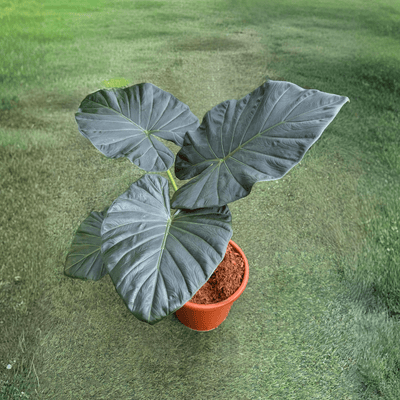 Aloxia Regal Shield 10 liters
149.00 ₪לעמוד המוצר
Aloxia Regal Shield 10 liters
149.00 ₪לעמוד המוצר
-
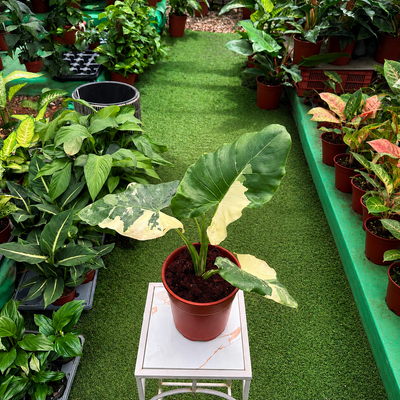 אלוקסיה מקוריזה מגוונת עציץ 3 ליטר
250.00 ₪לעמוד המוצר
אלוקסיה מקוריזה מגוונת עציץ 3 ליטר
250.00 ₪לעמוד המוצר
-
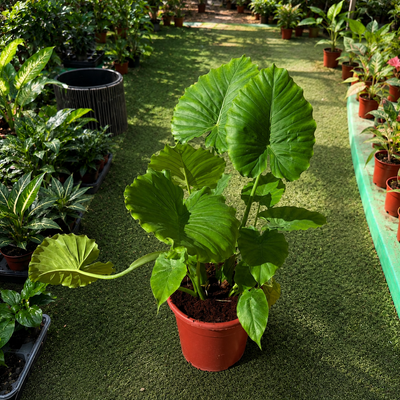 אוזן פיל אלוקסיה אודורה עציץ 10 ליטר
150.00 ₪לעמוד המוצר
אוזן פיל אלוקסיה אודורה עציץ 10 ליטר
150.00 ₪לעמוד המוצר
-
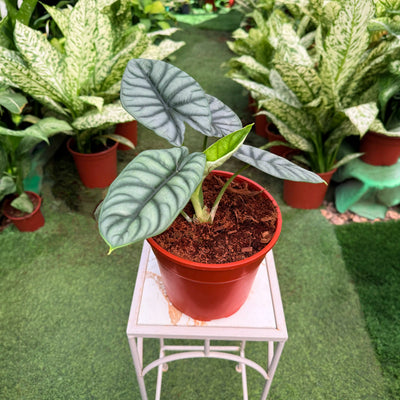 אלוקסיה סילבר דרגון עציץ 3 ליטר
105.00 ₪לעמוד המוצר
אלוקסיה סילבר דרגון עציץ 3 ליטר
105.00 ₪לעמוד המוצר
-
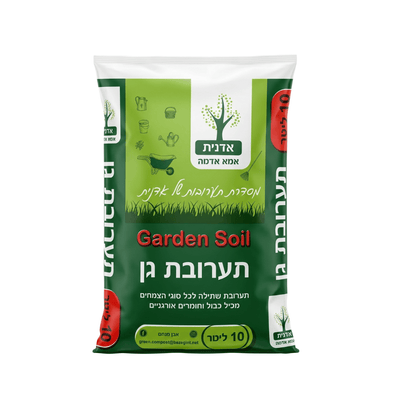 Migdal from the Northern Border 10 liter planting mix
14.00 ₪לעמוד המוצר
Migdal from the Northern Border 10 liter planting mix
14.00 ₪לעמוד המוצר
-
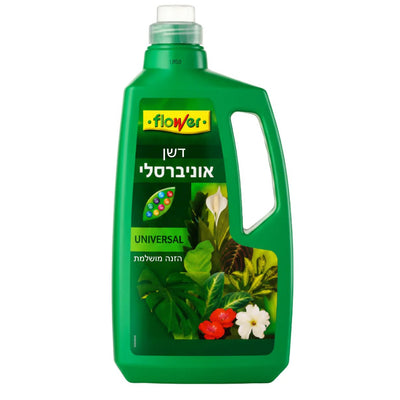 דשן אוניברסלי 1.2 ליטר
45.00 ₪לעמוד המוצר
דשן אוניברסלי 1.2 ליטר
45.00 ₪לעמוד המוצר
-
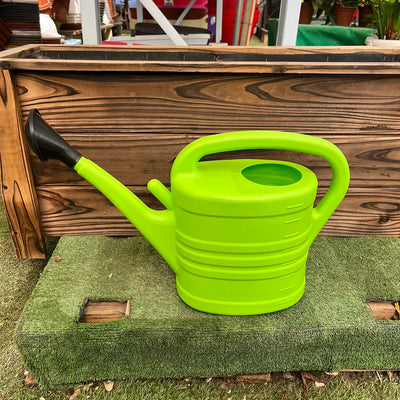 funnel
החל מ-18.00 ₪לעמוד המוצר
funnel
החל מ-18.00 ₪לעמוד המוצר
