🌿 Schefflera (Umbrella Plant) | The Complete Guide to Growing and Care
 המוצר מהמדריך זמין באתר
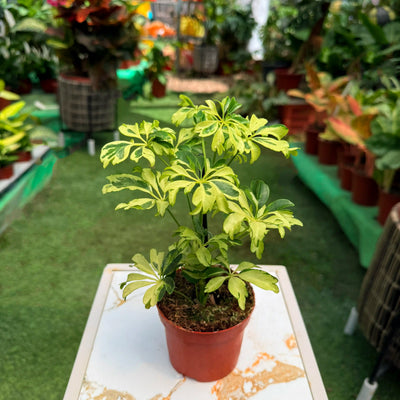
Schefflera umbrella plant for home and garden
35.00 ₪
המוצר מהמדריך זמין באתר
Schefflera umbrella plant for home and garden
35.00 ₪
📋 Quick summary - everything you need to know at a glance
Indirect light
Also tolerates partial shade
Moderate
Let dry between bags.
Very easy
For beginners!
Houseplant / Shrub
evergreen
Up to 2-3 m at home
You can control the size.
16-27°C
Sensitive to cold
🌱 Getting to know the Schefflera
Naming and identification
- Hebrew name: Schefflera, umbrella plant, umbrella tree
- Scientific name: Schefflera arboricola / S. actinophylla
- English names: Umbrella Plant, Dwarf Umbrella Tree
- Family: Araliaceae
- Type: Perennial, evergreen shrub/small tree
Origin and background
Native to Taiwan, southern China and Australia . Named after the Polish botanist Johann Scheffler. A very popular houseplant for decades!
Unique features
- ☂️ Umbrella-like leaves: 7-9 leaflets in a circle
- ✨ Shiny foliage: green or variegated
- 💪 Very durable: forgiving of mistakes!
- 🌬️ Air purifier: filter pollutants
- 📐 Flexible: Can be shaped like a bonsai
- 🏠 Universal: Home, Office, Garden
Why "umbrella plant"?
The leaves are arranged in a circle around the tip of the stem - just like the rims of an open umbrella!
✨ Why choose Shefflera?
Easy to grow
Perfect for beginners
Extremely durable
Forgives mistakes
Air purifier
Pollutant filter
Exotic appearance
Impressive foliage
flexibility
For design and bonsai
longevity
Lived 20+ years!
🎨 Popular Varieties and Types
🌿 Shrubby Schefflera
Schefflera arboricola
- The most common for home
- Smaller leaves (up to 10 cm)
- Height: 1-3 m indoors
- Origin: Taiwan, China
🌳 Australian Schefflera
Schefflera actinophylla
- Bigger
- Leaves up to 30 cm!
- Height: Up to 5 m indoors
- Origin: Australia
✨ Gold Capella
Variegated Schefflera
- Green leaves with golden yellow
- Requires more light
- Very popular!
- Won an RHS award
🌸 Trinette
Variegated green-white
- Leaves with serrated margins
- Compact
- Also suitable for outdoors
🍃 Janine
Dwarf Schefflera
- Very compact
- Up to 60 cm
- Popular for bonsai
🏔️ Alpine
Alpine Schefflera
- Tolerates cold better
- Reddish new growth
- More rare
🌤️ Detailed growing conditions
☀️ Light
Schefflera is very flexible in its light requirements!
- ✅ Ideal: Bright, indirect light
- 🌤️ Tolerates: partial shade and low light
- ⚡ Possible: Moderate direct sun (morning)
- ⚠️ In low light: slower growth, the plant will grow longer
- 🎨 Variegated varieties: require more light!
💧 Irrigation
Sheflera prefers the "less is more" method! She is forgiving of forgetfulness.
Important principles:
- ✅ Water when 75% of the topsoil is dry
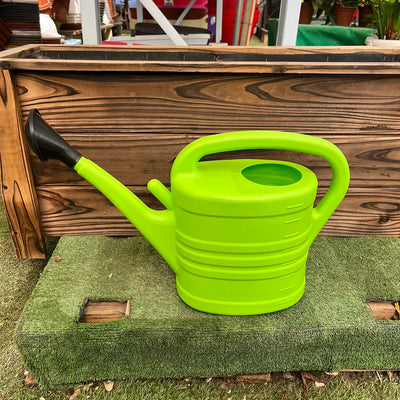
- ✅ Water thoroughly until water comes out of the drainage holes
- ✅ Empty the saucer after 15 minutes
- ❌ Do not flood! Sensitive to excess water
- ❌ Rotten roots = the first sign of a problem
Once a week
Once every two weeks
Less frequent
💨 Humidity
- ✅ Adapts to normal household humidity
- ✅ Enjoy extra moisture
- 💦 Misting occasionally - will help
- 🪨 Wet pebble tray - a good option
- 🚿 Cleaning leaves from dust - important!
Shefflera loves having its leaves cleaned! It both improves its filtering ability and gives it a shiny appearance.
🌡️ Temperature
16-27°C (60-80°F)
10°C (50°F)
Below = damage!
Cold air currents
Air conditioners, doors
Schefflera is sensitive to sudden changes in temperature - avoid places near air conditioners, entrance doors, or open windows.
🌍 Land
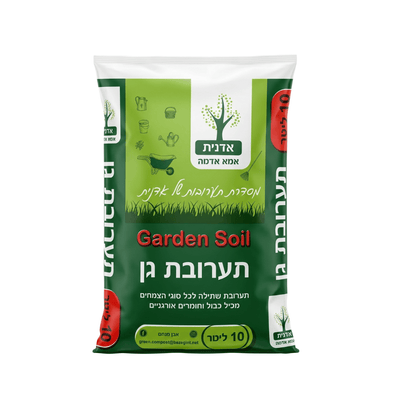
- ✅ Regular, high-quality potting soil
- ✅ Excellent drainage - most important!
- ✅ You can add perlite to improve drainage
- ✅ pH: 6.0-6.5 (slightly acidic)
- ✅ Fertile and airy
Recommended mixture: potting soil + perlite + a little peat (1:1:1)
🪴 Transferring a pot (repotting)
⏰ When to transfer?
- Every 1-2 years (young plant)
- Every 2-3 years (mature plant)
- When roots come out of the drain
- When the plant becomes less stable
- Better in the spring
📐 How to transfer?
- A pot that is only 2.5-5 cm larger
- Drainage holes are a must!
- Drainage layer at the bottom
- Don't bury it too deep.
- Water well after
🧪 Fertilization
Schefflera doesn't require much fertilization - but proper fertilization will encourage healthy growth and rich color!
Once a month
Growing season
Once every two months
slowdown
Do not fertilize
rest
Fertilizer type:
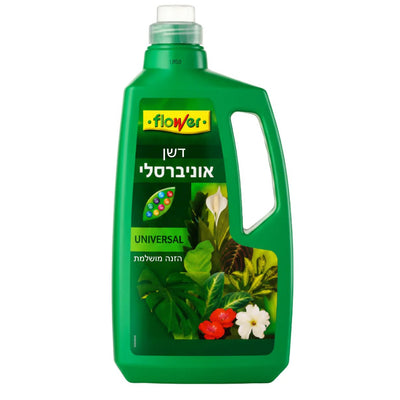
- ✅ Balanced liquid fertilizer (NPK 10-10-10)
- ✅ Dilute to half the recommended concentration
- ✅ Fertilizer for green houseplants
✂️ Pruning and shaping
Schefflera responds well to pruning! It can be shaped easily.
📅 When to prune?
- Spring or summer - best
- Not in winter
- When the plant is too big
- When you need design
✂️ How to trim?
- Prune above a leaf joint.
- Can be shortened by up to 1/3
- Remove dead/yellow leaves
- Pinching encourages branching
- Save cuttings for propagation!
🎋 Schefflera bonsai
Schefflera is excellent for bonsai! The dwarf varieties (Janine) are especially popular. Prune regularly, control the height, and you can also intertwine several trunks together.
🌱 Multiplication
Schefflera reproduces easily from cuttings!
✂️ Multiple cuttings (the easy way)
- Choose a healthy branch with 2-3 leaf joints.
- Cut 10-15 cm long at a 45° angle.
- Remove the lower leaves.
- Dip in rooting hormone (optional)
- Plant in moist soil or water.
- Keep warm (21°C+) and humid.
- Implantation: 4-6 weeks
Best time: Spring or early summer
🔧 Common problems and solutions
🍂 Falling leaves
Possible reasons:
- Overwatering (most common!)
- Cold air currents
- Sudden change in temperature
- Lack of light
Solution: Check drainage, move away from currents, move to a stable location.
💛 Yellow leaves
Possible reasons:
- Excess water/root rot
- Lack of water
- Insufficient lighting
- Lack of fertilization
Solution: Check soil moisture. Lower leaves turning yellow - natural.
📏 Long and thin plant
Reason:
- Lack of light
Solution: Move to a brighter location. Prune to encourage dense growth.
🤎 Brown leaf edges
Possible reasons:
- Air is too dry
- Excess salts/fertilizer
- Hard water
Solution: Increase humidity, wash soil, use filtered water.
🐛 Common pests
Small spider webs.
Solution: Spray water, increase humidity
On young leaves.
Solution: Potassium soap, neem oil
Brown spots on stems.
Solution: Wipe with alcohol
Silvery dots on leaves.
Solution: Hot shower for the plant
🗓️ Tips by season
- Start fertilizing.
- Move a pot if necessary.
- Prune and shape
- Take cuttings
- Regular watering
- Monthly fertilization
- Strong sun protection
- Check for pests
- Reduce watering
- Reduce fertilization
- Prepare for winter
- Clean leaves
- Minimal watering
- Do not fertilize
- Keep away from the source
- Slow growth - normal
❓ Frequently Asked Questions
The most common cause is overwatering . Other causes include cold drafts, lack of light, or temperature changes. Check that drainage is working and the soil is drying out between waterings.
Yes! In Israel, you can grow it outdoors in shade or partial shade. Just be careful of frost - below 10°C there is damage. Also suitable as a hedge!
In good conditions, 30-60 cm per year . In low light - slower. With proper care, can live 20+ years!
Rarely. Under indoor conditions it hardly blooms. Outdoors in warm areas it can bloom with small red/yellow flowers.
S. arboricola (dwarf): smaller leaves (up to 10 cm), height up to 3 m.
S. actinophylla (large): leaves up to 30 cm, height up to 5+ m. Both require similar care.
📊 Summary table
| category | Details |
|---|---|
| ☀️ Light | Bright indirect light, shade tolerant |
| 💧 Irrigation | Moderate, let dry |
| 💨 Humidity | Normal-high |
| 🌡️ Temperature | 16-27°C (min. 10°C) |
| 📏 Size | Up to 2-3 m at home |
| 📊 Difficulty level | Very easy - for beginners! |
| 🌬️ Special advantage | Air purifier |
🌿 Deco Garden - Love for Plants
Do you have questions about Schefflera? Looking for an easy-to-grow houseplant? We're here for you!
📧 Contact us | 📱 Follow us on social media | 🌱 Buy plants and products
© 2025 Deco Garden - All rights reserved
The guide was written by the Deco Garden team of experts.
🛒 המוצרים מהמדריך
הצמחים והמוצרים שהמדריך מדבר עליהם — לחיצה על כרטיס מעבירה לעמוד המוצר.