🌼 Tagetes (Marigold) The Complete Guide to Growing and Care
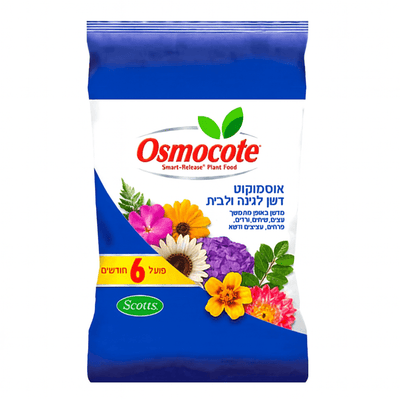
 המוצר מהמדריך זמין באתר
Potting mix, planting soil, fertilizer-enriched
22.50 ₪
המוצר מהמדריך זמין באתר
Potting mix, planting soil, fertilizer-enriched
22.50 ₪
📋 Quick Summary - Everything you need to know at a glance
Full sun
At least 6 hours!
Moderate
Let the soil dry out
Very easy!
Perfect for beginners
Spring-Autumn
Abundant flowering!
Pest repellent!
Nematodes and mosquitoes
🌱 Getting to know Tagetes
Names and Identification
- Hebrew name: Tagetes, Marigold
- Scientific name: Tagetes
- Common names: Marigold
- Family: Asteraceae
Origin and History
Native to Mexico and Central America. The plant has been cultivated in Mexico for over 2,000 years.
The name "Marigold" (Mary's Gold) comes from the Christian tradition, where the flower was dedicated to the honor of the Virgin Mary.
Why Tagetes?
- 💪 Extra hardy: Tolerates heat and mild cold
- 🐛 Pest repellent: Nematodes, mosquitoes, and insects
- 🎨 Colorful: Orange, yellow, red, and bicolored
- 🦋 Attracts pollinators: Bees and butterflies
- 🌱 Easy to grow: From seeds or seedlings
Characteristics
- Height: 15-120 cm (depending on the variety)
- Flowers: Spherical or chrysanthemum-like
- Color: Yellow, orange, red, brown
- Growth: Very fast!
⭐ Why is Tagetes so easy to grow?
Tagetes is one of the easiest garden plants to grow - perfect for both beginners and experienced gardeners!
Loves heat
Thrives in the Israeli summer
Fast germinating
Only 3-14 days!
Fast flowering
45-50 days from sowing
Disease resistant
Very few problems
🎨 Popular Tagetes varieties
There are about 50 different species! Here are the main ones:
🌼 African Marigold
Tagetes erecta - The largest! Grows up to 90-120 cm, large spherical flowers (up to 10 cm) in yellow and orange. Perfect for cutting.
🌻 French Marigold
Tagetes patula - Compact and abundant! 15-30 cm tall, smaller flowers but more of them. Variety of colors including bicolored.
🍋 Lemon Marigold
Tagetes lemmonii - Perennial! Wonderful lemon scent, simple yellow flowers. Very hardy and suitable as a substitute for tarragon.
✨ Signet Marigold
Tagetes tenuifolia - Tiny and lovely! Lacy leaves, small flowers.
🔥 Bonanza Series
Large double flowers on compact plants (20 cm). Spectacular yellow, orange, and red-brown colors.
🌙 Durango Series
Extra-large flowers on short plants. 7 different color combinations including bicolored.
🌤️ Growing conditions - The key to success
☀️ Light - The more, the better!
Light requirement: Tagetes is a full-sun loving plant - at least 6-8 hours a day!
Full sun (6+ hours)
Full shade (poor blooming)
What happens in low light?
- Scanty bloom: Fewer flowers or none at all
- "Leggy" plant: Long, weak stems
- Disease susceptibility: May suffer from mold
💧 Watering - Balanced and correct
Key principle: Tagetes prefers soil that dries out slightly between waterings - not too wet, not too dry!
Watering frequency:
- In the garden: Once a week (thorough watering)
- In a pot: Every day or two in the summer
- Rule: When the soil is dry to a depth of 2-3 cm
Watering method:
- Water at the base of the plant, not on the leaves!
- Wetting the leaves causes fungal diseases
- Deep, infrequent watering is better than shallow and frequent
🪴 Soil and pot
Soil type:
Well-draining - the most important thing!
- ✅ Sandy or loamy soil mixed
- ✅ pH 6-7 (slightly acidic to neutral)
- ✅ Soil rich in organic matter
- ❌ Heavy, water-retaining soil
Preparing the soil:
- Dig to a depth of 15-20 cm
- Mix in compost or humus
- Add perlite to improve drainage
Planting spacing:
- French Marigold: 20-25 cm
- African Marigold: 25-30 cm
- Large varieties: 45-60 cm
🌡️ Temperature
Ideal range: 18-28°C - but tolerates Israeli heat too!
- ✅ Loves heat - thrives in summer
- ✅ Tolerates up to 35°C+ in full sun
- ❄️ Sensitive to frost - dies at freezing temperatures
- 📅 Plant after the last frost (March-April)
🌱 Planting and growing from seeds
Tagetes is very easy to grow from seeds - one of the simplest plants to start with!
🏠 Indoor sowing (recommended!)
- Sow 6-8 weeks before the last frost
- Cover lightly with vermiculite or soil
- Maintain a temperature of 21-24°C
- Germination within 3-14 days
- Transplant to pots when there are 2-3 leaves
- Harden off before outdoor planting
🌿 Direct sowing in the garden
- Wait until after the last frost
- Sow directly into prepared soil
- Cover lightly (1-2 mm)
- Water gently
- Thin out as seedlings grow
- Bloom after 8 weeks
📅 Schedule for Israel
Indoor sowing
Garden planting
Full bloom!
End of season
🧪 Fertilization
Tagetes doesn't require much fertilizer - in fact, over-fertilization will lead to leaves at the expense of flowers!
Fertilization recommendations:
- In the garden: Adding compost before planting is usually enough
- In a pot: Balanced liquid fertilizer once a month
- Type of fertilizer: Fertilizer with high potassium (for flowering)
- Avoid: Nitrogen-rich fertilizers (will cause leaves instead of flowers)
✂️ Pruning and maintenance
Deadheading - a must!
Removing faded flowers is the secret to continuous blooming:
- ✂️ Remove flowers that have started to wilt
- 🌸 This encourages the production of new flowers
- 📅 Do this regularly throughout the season
- 💪 The plant will bloom until the first frost!
Pinching
For denser and lusher plants:
- Pinch the young head when there are 4-6 leaves
- This will cause branching and more branches
- More branches = more flowers!
Seed collection
Want to save seeds for next year?
- Leave some flowers to seed at the end of the season
- Wait until the flower is completely dry
- Collect the long black seeds
- Store in a dry and cool place
🔧 Common problems and solutions
🌸 No flowers / Poor blooming
Possible reasons:
- Lack of sun - The most common one!
- Over-fertilization (nitrogen)
- Soil that is too rich
Solution: Move to a sunnier spot, stop fertilizing
🍄 Gray mold (Botrytis)
Possible reasons:
- Watering on the leaves
- Excessive humidity
- Overcrowding
Solution: Water at the base, improve ventilation, remove infected parts
🥀 Rotting flowers
Reason: Humid and rainy summer
Solution: Choose French marigolds with smaller flowers - they are more rain-resistant
🌿 "Leggy" and weak plant
Reason: Lack of sun
Solution: Move to a full sun location, pinch the heads to encourage branching
🟡 Yellow leaves
Possible reasons:
- Overwatering
- Poor drainage
- Iron deficiency (high pH)
Solution: Check drainage, reduce watering
🔥 Sunburn
Reason: Sudden planting in strong sun
Solution: Harden off the seedlings gradually before final outdoor planting
🐛 Common pests
Marigold is highly resistant to pests and even repels them! But it's worth knowing:
Spots on leaves, webs.
Treatment: Neem oil, water spray
Small green insects.
Treatment: Potassium soap, pressurized water
Eat leaves and stems.
Treatment: Iron-based bait, manual collection
Damage to flowers.
Treatment: Neem oil, potassium soap
🐛 Marigold - The perfect companion plant!
One of the great advantages of marigolds is their ability to repel pests from the vegetable garden!
Nematodes
The roots release substances that kill soil nematodes
Mosquitoes
The pungent scent repels mosquitoes and gnats
Whitefly
Excellent next to tomatoes!
Deer
They don't like the smell
Recommended combinations in the garden:
- 🍅 Tomatoes: Against whitefly and nematodes
- 🥒 Cucumbers: General protection from pests
- 🌶️ Peppers: Repels aphids
- 🥬 Cabbage and broccoli: Against the cabbage butterfly
- 🥕 Carrots: Disguises scent and confuses pests
❓ Frequently asked questions
Most of them are annuals! You need to replant every year. Exceptions: Lemon marigold and Tagetes lucida which are perennial in warm climates.
Absolutely! French marigold is especially suitable for pots and window boxes. Just ensure full sun and daily watering in summer.
Two different plants! Calendula is sometimes called "pot marigold," but it is from a different family and blooms in winter.
Lack of sun! Marigold needs at least 6 hours of direct sun. Another reason: over-fertilization with nitrogen.
Yes, but it's no magic! The pungent smell bothers mosquitoes, but it won't prevent bites entirely. Stronger effect on soil nematodes.
March-April after the last frost. You can start sowing indoors as early as January-February.
💀🌼 Marigolds and the Mexican Day of the Dead
In Mexico, marigold is called "Cempasúchil" and is used in the "Día de los Muertos" (Day of the Dead) festival!
According to tradition, the scent guides the souls of the departed back to the world of the living
Symbolizes the sun and the journey of the souls
Scattered petals create a path from the grave to the home
🛒 Recommended products from Deco Garden
Marigold seedlings
In a variety of types and colors
Blooming fertilizer
Potassium-rich
Soil for garden plants
Well-draining
Decorative pots
For summer flowers
📊 Summary table - all information in one place
| Category | Details |
|---|---|
| ☀️ Light | Full sun (6-8 hours) |
| 💧 Watering | Moderate, allow soil to dry out |
| 🌡️ Temperature | 18-28°C, tolerates heat, does not tolerate frost |
| 🌱 Soil | Well-draining, pH 6-7 |
| 🧪 Fertilizer | Little - compost at planting |
| 📏 Size | 15-120 cm (by variety) |
| 🌸 Blooming | Spring to autumn (May-November) |
| 📊 Difficulty level | Very easy - perfect for beginners! |
| 🐛 Special advantage | Repels pests, attracts pollinators |
🌼 Deco Garden - Love for plants
Do you have questions about growing marigolds? Need help? We are here for you!
📧 Contact us | 📱 Follow us on social media | 🌱 Buy plants and products
© 2025 Deco Garden - All rights reserved
The guide was written by the Deco Garden expert team
🛒 המוצרים מהמדריך
הצמחים והמוצרים שהמדריך מדבר עליהם — לחיצה על כרטיס מעבירה לעמוד המוצר.