🍓 Strawberry Guava - The Complete Guide to Growing and Care
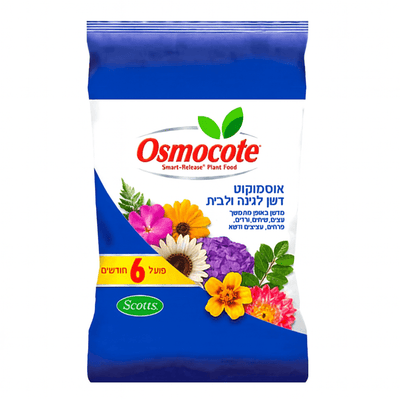
 המוצר מהמדריך זמין באתר
Potting mix, planting soil, fertilizer-enriched
22.50 ₪
המוצר מהמדריך זמין באתר
Potting mix, planting soil, fertilizer-enriched
22.50 ₪
📋 תקציר מהיר - כל מה שצריך לדעת במבט אחד
שמש מלאה עד צל חלקי
6-8 שעות שמש ליום
השקיה סדירה
קרקע לחה אך מנוקזת
גינה / מרפסת / עציץ
מתאים גם כגדר חיה!
קל
עץ עמיד וסלחני
15-35°C
עמיד בקור עד -5°C
🌱 היכרות עם גויאבה תותית
שמות וזיהוי
- שם בעברית: גויאבה תותית, גיתית
- שם מדעי: Psidium cattleianum
- שמות נפוצים: Strawberry Guava, Cattley Guava, Cherry Guava
- משפחה: הדסיים (Myrtaceae)
מקור ואקלים
הגויאבה התותית מקורה בחופי ברזיל ודרום אמריקה. היא קרובת משפחה של הגויאבה הרגילה אך שונה ממנה בטעם, בריח ובמראה. הצמח מותאם לאקלים טרופי וסובטרופי ומסתגל היטב לישראל.
למה לגדל גויאבה תותית?
- 🍓 פרי טעים: מתוק עם מעט חמיצות, טעם שמזכיר תות!
- 🌿 ללא ריח גויאבה: אין את הריח החזק של גויאבה רגילה
- 💪 עמיד מאוד: סובל בצורת, חום וקור
- 🏡 גדר חיה: מושלם להסתרה וגידור
- 🪴 מתאים לעציץ: גדל טוב גם במרפסת
- 💚 ירוק כל השנה: עץ תמיד ירוק
מאפיינים מיוחדים
- גובה: 2-4 מטר (ניתן לשמור נמוך יותר)
- עלים: ירוקים כהים, מבריקים, אליפטיים
- פרחים: לבנים, קטנים ויפים
- פרי: עגול, 2-4 ס"מ, אדום/צהוב
🌤️ תנאי גידול - המפתח להצלחה
☀️ אור
סוג אור אידיאלי: שמש מלאה - 6-8 שעות אור ישיר ביום לתנובה מקסימלית.
סובלנות: הגויאבה התותית יכולה לגדול גם בצל חלקי, אך תניב פחות פירות.
צמיחה מהירה, תנובה מרובה, פירות מתוקים יותר
צמיחה טובה, פחות פירות, עדיין אפשרי לגדל
💡 טיפ: גם בצל עצים גדולים הגויאבה התותית תשגשג - היא אחד העצים הסלחניים ביותר!
💧 השקיה
עיקרון מנחה: הגויאבה התותית אוהבת קרקע לחה אך מנוקזת היטב. ברגע שמתבססת - עמידה בבצורת!
תדירות לפי עונה ומיקום:
- 🌞 קיץ: 2-3 פעמים בשבוע (יותר בעציץ)
- 🍂 אביב/סתיו: פעם-פעמיים בשבוע
- ❄️ חורף: פעם בשבוע או פחות
- 🪴 בעציץ: תכוף יותר - אל תתנו לאדמה להתייבש לגמרי
עלים צהובים, ריקבון שורשים, פטריות על האדמה
עלים כמושים, נשירת עלים, פירות קטנים
💡 טיפ: השקיה עקבית במיוחד חשובה בזמן פריחה והתפתחות פירות - זה ישפיע על גודל ומתיקות הפרי!
🌡️ טמפרטורה ועמידות
טווח אידיאלי: 15-35°C
עמידות בקור: עד -5°C! (עמיד יותר מגויאבה רגילה)
- חום: סובל טוב חום קיצוני עם השקיה מספקת
- קור: עמיד לכפור קל, אך צמחים צעירים צריכים הגנה
- רוח: סובל רוחות ים
🪴 קרקע ומצע
היתרון הגדול: הגויאבה התותית לא בררנית בכלל וגדלה כמעט בכל סוג קרקע!
קרקעות מתאימות:
- ✅ קרקע חולית
- ✅ קרקע טיט/לס
- ✅ קרקע גירנית
- ✅ קרקע עשירה אורגנית (אידיאלי)
pH מומלץ: 5.0-7.0 (חומצי עד ניטרלי), אך סובל גם קרקע בסיסית
לעציץ - תערובת מומלצת:
- 50% אדמת גינה או שתילה
- 30% קומפוסט
- 20% פרלייט או חול (לניקוז)
ניקוז: קריטי! הגויאבה התותית הצהובה סובלת הצפה קצרה, אך באופן כללי יש להימנע ממים עומדים.
🌱 שתילה
איך לשתול בקרקע:
- חפרו בור גדול פי 3 מגוש השורשים
- ערבבו את האדמה עם קומפוסט
- שתלו בגובה שהיה בעציץ
- השקו בשפע
- כסו במולצ' (קליפות עץ/חציר)
- השקו באופן סדיר בחודשים הראשונים
מרחקי שתילה:
- עצים בודדים: 3-4 מטר ביניהם
- גדר חיה: 1-1.5 מטר ביניהם
🧪 דישון
הגויאבה התותית נהנית מדישון סדיר לתנובה מקסימלית ופירות גדולים ומתוקים.
מתי לדשן?
3 פעמים בשנה:
- 🌸 אביב: לקראת הפריחה
- 🌞 קיץ: בזמן התפתחות הפירות
- 🍂 סתיו: אחרי הקטיף
איזה דשן מתאים?
- דשן הדרים גרגירי: NPK 6-6-6 - מומלץ!
- דשן מאוזן: NPK 10-10-10
- דשן אורגני: קומפוסט, זבל בקר מיושן
- דשן עשיר באשלגן: לפירות מתוקים יותר
- פזרו את הדשן סביב העץ (לא על הגזע)
- השקו היטב אחרי דישון
- מולצ' עוזר לשמור על חומרי הזנה באדמה
✂️ גיזום ועיצוב
עיקרון מנחה: הגויאבה התותית צומחת בצורה יפה באופן טבעי, אך גיזום עוזר לשמור על גודל נוח ולעודד תנובה.
מתי לגזום?
- גיזום עיצוב: בסתיו, אחרי עונת הפרי
- גיזום תחזוקה: כל השנה לפי הצורך
מה לגזום?
- ✂️ ענפים שפולשים מחוץ לגבולות
- ✂️ ענפים מתים או חולים
- ✂️ ענפים שנוגעים בקיר/גדר
- ✂️ קיצוץ לגובה נוח לקטיף (מומלץ 2-3 מטר)
- ✂️ קיצוץ קצוות לצמיחה צפופה יותר (לגדר חיה)
🔄 ריבוי הצמח
ניתן לרבות גויאבה תותית מזרעים או מייחורים. ריבוי מזרעים קל יותר ובדרך כלל נשמרות התכונות.
🌱 שיטה 1: ריבוי מזרעים (מומלץ!)
- הוציאו זרעים מפרי בשל
- שטפו היטב מכל שאריות הפרי
- יבשו את הזרעים יום-יומיים
- שרו במים חמים 24-48 שעות (אופציונלי - משפר נביטה)
- שתלו בעומק 0.5-1 ס"מ באדמה לחה וסטרילית
- שמרו על טמפרטורה של 21-29°C
- שמרו על לחות קבועה
- המתינו 4-12 שבועות לנביטה (סבלנות!)
⏱️ זמן עד פרי: 2-4 שנים מזריעה
✂️ שיטה 2: ייחורי גבעול
קשה יותר מזרעים, אך אפשרי:
- בחרו ענף צעיר ובריא באורך 15-20 ס"מ
- חתכו מתחת לצומת (node)
- הסירו עלים תחתונים, השאירו 2-3 עלים למעלה
- טבלו בהורמון השרשה
- שתלו באדמה לחה או בתערובת פרלייט וטורף
- שמרו על לחות גבוהה (כיסוי פלסטיק)
- שמרו על חום 24-29°C
- המתינו 6-8 שבועות לשורשים
💡 טיפ: ריבוי מזרעים קל יותר והצמחים גדלים חזקים!
🐛 מזיקים ומחלות
הגויאבה התותית עמידה מאוד למזיקים ומחלות, אך יש כמה אויבים שכדאי להכיר.
🪰 זבוב פירות
האויב העיקרי!
סימנים: פירות עם נקבי הטלה, רימות בפנים, נשירת פירות
מניעה וטיפול:
- מלכודות פרומון
- עטפו את העץ ברשת
- קטפו פירות מיד כשבשלים
- אספו פירות נושרים מהאדמה
🐜 נמלים
סימנים: נמלים על הענפים והפירות
טיפול:
- דבק עצים על הגזע
- הרחיקו ענפים מהקרקע
- טפלו בכנימות (שמושכות נמלים)
🐛 כנימות וקשקשים
סימנים: חרקים על עלים, נוזל דביק
טיפול:
- סבון אשלגן
- שמן נים
- שמן גינה (Horticultural oil)
🍄 כתמי עלים (אצות)
סימנים: כתמים כתומים-חומים על העלים
טיפול:
- שפרו ניקוז וזרימת אוויר
- הפחיתו השקיה על העלים
- ריסוס נחושת
🐦 ציפורים
הבעיה: אוהבות את הפרי!
פתרון:
- רשת להגנה על העץ
- קטיף מוקדם (כשהפרי מתחיל להבשיל)
- דחלילים (יעילות מוגבלת)
🍓 קטיף ושימושים
עונת הפרי
קיץ-סתיו (יולי-נובמבר בישראל), תלוי באזור ובתנאים.
איך לדעת שהפרי בשל?
- אדום: צבע סגול-בורדו עמוק
- צהוב: צבע צהוב בהיר
- הפרי רך במגע
- ריח תותי/פירותי חזק
- נופל בקלות מהענף בניעור קל
שימושים בפרי
אכילה טרייה
ישר מהעץ!
ריבה וג'לי
טעים ומיוחד
מיץ ושייק
מרענן וטרופי
גלידה וסורבה
קינוח מושלם
❓ שאלות נפוצות
לא! למרות השם, מדובר במין שונה. הטעם, הריח והמראה שונים. לגויאבה תותית אין את הריח החזק של גויאבה רגילה, והפרי קטן יותר עם טעם של תות.
מזרעים: 2-4 שנים. משתיל קנוי: 1-2 שנים. סבלנות משתלמת!
בהחלט! בחרו עציץ גדול (לפחות 40 ליטר), וודאו ניקוז טוב. גזמו לשמירה על גודל. יניב פחות פרי מאשר בקרקע אבל בהחלט אפשרי.
לא! הגויאבה התותית מאביקה את עצמה (self-fertile). עץ בודד יניב פרי. עם זאת, שתילת שני עצים עשויה להגדיל תנובה.
כן, הגויאבה התותית יכולה להתפשט באגרסיביות (בעיקר דרך זרעים שציפורים מפיצות). גזמו באופן קבוע ואספו פירות נושרים כדי למנוע התפשטות לא רצויה.
כי הפרי טעים! 🐦 הפתרון: עטפו את העץ ברשת דקה בעונת ההבשלה, או קטפו פירות מעט לפני שהם בשלים לגמרי.
מאוד! עשיר בוויטמין C ו-A, סיבים תזונתיים, נוגדי חמצון ומינרלים. רק 50 קלוריות ב-100 גרם!
💚 ערכים תזונתיים ויתרונות בריאותיים
ויטמין C
חיזוק מערכת החיסון
ויטמין A
בריאות העור והראייה
סיבים תזונתיים
בריאות מערכת העיכול
נוגדי חמצון
הגנה מפני רדיקלים חופשיים
ערך קלורי נמוך: כ-50 קלוריות ב-100 גרם - חטיף בריא ומשביע!
🇮🇱 התאמה לאקלים הישראלי
הגויאבה התותית מתאימה מצוין לישראל! היא עמידה, סלחנית ומניבה פרי טעים בכל חלקי הארץ.
☀️ קיץ ישראלי
- השקיה: 2-3 פעמים בשבוע
- חום: סובל היטב, רק השקו!
- פריחה: אביב-קיץ
- פרי: מתחיל להבשיל
❄️ חורף ישראלי
- השקיה: פעם בשבוע או לפי הגשם
- קור: עמיד בכל הארץ
- הגנה: צמחים צעירים - כיסוי בכפור
- גיזום: זמן מומלץ לגיזום
📍 מתאים לכל אזורי הארץ
- מרכז וחוף: מושלם! תנאים אידיאליים
- צפון: גדל מצוין, עמיד בקור
- דרום והנגב: מתאים עם השקיה מספקת
- ירושלים והרים: עמיד בקור, אולי יניב מאוחר יותר
- ערבה: מתאים בצל חלקי עם השקיה רבה
🛒 רכישה ומוצרים מומלצים
איך לבחור שתיל בריא?
- ✅ עלים ירוקים ומבריקים
- ✅ גזע חזק וישר
- ✅ אין סימני מחלות או מזיקים
- ✅ שורשים לבנים ובריאים (אם רואים)
- ✅ שתיל מלא ולא דליל
🛍️ מוצרים מומלצים מדקו גרדן
שתילי גויאבה תותית
אדומה וצהובה
דשן הדרים
NPK 6-6-6
מלכודות זבוב פירות
להגנה על הפרי
שמן נים
טיפול טבעי במזיקים
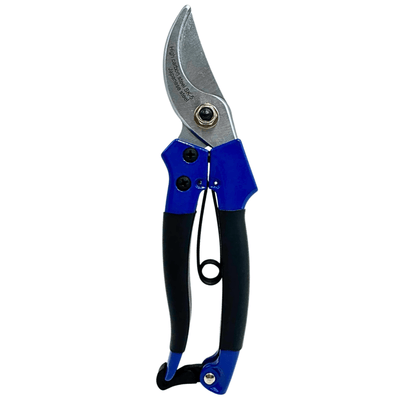
מספריים לגיזום
לעיצוב ותחזוקה
רשת הגנה
מציפורים וזבובים
📊 טבלת סיכום - כל המידע במקום אחד
| קטגוריה | פרטים |
|---|---|
| ☀️ אור | שמש מלאה (6-8 שעות). סובל צל חלקי |
| 💧 השקיה | סדירה, קרקע לחה ומנוקזת. עמיד בבצורת כשמתבסס |
| 🌡️ טמפרטורה | 15-35°C. עמיד בקור עד -5°C! |
| 🪴 קרקע | כמעט כל סוג! מעדיף מנוקזת ועשירה |
| 🧪 דישון | 3 פעמים בשנה - אביב, קיץ, סתיו |
| ✂️ גיזום | בסתיו אחרי הפרי. לשמירה על גודל וצורה |
| 🌱 ריבוי | זרעים (קל!) או ייחורים |
| 🍓 עונת פרי | קיץ-סתיו (יולי-נובמבר) |
| 📏 גודל | 2-4 מטר (ניתן לשמור נמוך יותר) |
| ⏱️ זמן עד פרי | 2-4 שנים מזרעים, 1-2 משתיל |
🍓 דקו גרדן - הבית לעצי הפרי שלך
יש לכם שאלות על גידול גויאבה תותית? צריכים עזרה? אנחנו כאן בשבילכם!
📧 צרו קשר | 📱 עקבו אחרינו ברשתות | 🌱 קנו שתילים ומוצרים
© 2025 דקו גרדן - כל הזכויות שמורות
המדריך נכתב על ידי צוות המומחים של דקו גרדן
🛒 המוצרים מהמדריך
הצמחים והמוצרים שהמדריך מדבר עליהם — לחיצה על כרטיס מעבירה לעמוד המוצר.