

❤️ Anthurium (Flamingo Flower) - The Complete Guide to Growing and Care
 המוצר מהמדריך זמין באתר
Perennial anthurium for the home
80.00 ₪
המוצר מהמדריך זמין באתר
Perennial anthurium for the home
80.00 ₪
📋 Quick Summary - Everything you need to know at a glance
Bright and indirect
No direct sun!
Moderate
When soil dries out
Home / Office
Classic houseplant
Easy
Suitable for beginners
16-28°C
Loves warmth and humidity
🌱 Introduction to the Anthurium
Names and Identification
- Hebrew Name: Anthurium
- Scientific Name: Anthurium andraeanum
- Common Names: Flamingo flower, Heart flower, Painter's palette
- Family: Araceae
Origin and History
The Anthurium originates from the tropical rainforests of Central and South America and the Caribbean. In nature, it grows as an epiphyte - clinging to trees and absorbing moisture and nutrients from the air and rain. The species has won the RHS Award of Garden Merit.
The name "Anthurium" comes from Greek: anthos (flower) + oura (tail) - referring to the shape of the spadix.
Why grow an Anthurium?
- ❤️ Heart-shaped flowers: Elegant and spectacular
- 🌺 Long blooming: Each flower lasts for weeks!
- 🎨 Variety of colors: Red, pink, white, purple, and more
- 🌬️ Air purifier: Included in NASA research
- 🎁 Perfect gift: Elegant for any occasion
- 💪 Durable and hardy: Easy to care for
Characteristics
- Height: 15-60 cm
- Leaves: Dark green, shiny, heart-shaped
- Blooming: All year round under good conditions
- Flower lifespan: 2-3 months!
🔍 The secret of the "flower" - what you must know!
What we think is the "flower" of the Anthurium - isn't actually the flower at all!
The Spathe
The colorful and shiny "heart" is actually a modified leaf designed to attract pollinators. This is what gives it its spectacular red/pink/white color!
The Spadix
The upright "spike" in the center - that is where the real flowers are! They are tiny and arranged along the spadix.
When the spadix starts turning green and the spathe loses its color - it's a sign that the "flower" is ending its life. This is the time to prune it to encourage new blooms!
🎨 Popular Anthurium varieties
There are over 1,000 species of Anthurium! Here are the most common:
Red Anthurium
The most classic and common
Pink Anthurium
Romantic and delicate
White Anthurium
Elegant and minimalist
Purple/Black Anthurium
'Black Beauty' - luxurious
Clarinervium
Stunning veined leaves
Crystallinum
Velvety leaves with shine
🌤️ Growth Conditions - The Key to Success
☀️ Light
Ideal light: Bright and filtered (6-8 hours a day)
Important: No direct sun! Will cause leaf burns.
North or east window, diffused light
Direct midday sun, total darkness
💡 Tip: Low light = fewer and smaller flowers. If the plant isn't blooming - try moving it to a brighter spot!
💧 Watering
Golden Rule: Let the soil partially dry out between waterings!
How do you know when to water?
- Check if the top 2-3 cm of soil is dry
- If so - it's time to water
- Water until water drains from the drainage holes
- Empty the saucer after 20-30 minutes
Root rot, yellowing leaves
Brown edges, wilting
💨 Humidity
Requirement: High humidity - 50-80% (the plant comes from rainforests!)
How to increase humidity?
- 🚿 Daily leaf misting (not on the flowers!)
- 🪨 Pebble tray with water under the pot
- 🌿 Grouping with other plants
- 💦 Humidifier
- 🚿 Location in a bright bathroom
🌡️ Temperature
Ideal range: 16-28°C
Minimum: Not below 12°C
- 🏠 Normal room temperature is perfect
- ❄️ Keep away from AC units and fans
- 🔥 Keep away from heating vents
- ⚠️ Doesn't like sudden temperature changes
🪴 Soil and Pot
Soil type:
- ✅ Aerated and light soil
- ✅ Excellent drainage (critical!)
- ✅ Slightly acidic (pH 5.5-6.5)
- ✅ Rich in organic matter
Recommended mix:
Potting soil + Perlite (30%) + Bark or coconut coir (20%)
Repotting:
- Every 2-3 years
- In the spring
- Pot that is only 2-3 cm larger
- Must have: drainage holes!
🧪 Fertilizing
Principle: The Anthurium needs regular but gentle fertilization.
Fertilization schedule:
Once a month, balanced fertilizer
Reduce to every 6-8 weeks
Stop or minimal
Fertilizer type:
- Balanced fertilizer: NPK 3-1-2 or 5-10-5
- Dilution: Half the recommended concentration
- To encourage blooming: Fertilizer with higher phosphorus (P)
- Over-fertilizing is more dangerous than under-fertilizing!
- Always water before fertilizing
- Flush the soil every 3 months to remove salt buildup
✂️ Pruning and Maintenance
What to prune?
- 🌸 Fading flowers: When the spadix turns green and the spathe loses color
- 🍂 Yellow leaves: Remove close to the base
- 🍃 Damaged leaves: Trim only the damaged part
How to prune?
- ✂️ Use sharp and clean shears
- ✂️ Cut as close as possible to the base of the plant
- ✂️ Disinfect tools with alcohol between cuts
General maintenance:
- 🧹 Clean dust from leaves with a damp cloth
- 🔄 Rotate the pot occasionally for even growth
- 👀 Check weekly for pests
If you see roots growing from the stem - this is normal! These are "aerial roots" that help the plant cling in nature. You can cut them if they bother you, or leave them.
🔄 Propagation
Preferred method: Division - the easiest and fastest!
Propagation by division - step by step:
- Remove: the plant from the pot gently
- Clean: the soil from the roots
- Divide: with a sharp knife into two or more units
- Ensure: that each part has roots and at least 2 leaves
- Plant: each part in a separate pot with fresh soil
- Water: thoroughly and keep humid
🕐 Recommended time: Spring or autumn
Propagation by cuttings:
- Choose a cutting 10 cm long with at least 2 leaves
- Remove lower leaves
- Place in water or moist soil
- Keep humid and warm (22-24°C)
- Rooting within 3-6 weeks
🔧 Common Problems and Solutions
🟡 Yellowing leaves
Causes:
- Overwatering (the most common!)
- Poor drainage
- Insufficient light
- Natural aging (lower leaves)
Solution: Check watering and drainage
🟤 Brown leaf tips
Causes:
- Air too dry
- Underwatering
- Over-fertilizing (salts)
- Water too hard
Solution: Increase humidity, use filtered water
🚫 Not flowering
Causes:
- Insufficient light
- Plant is too young
- Lack of fertilizer
- Unsuitable temperature
Solution: More light, fertilize with phosphorus
🥀 Small/faded flowers
Causes:
- Weak lighting
- Low humidity
- Lack of fertilizer
Solution: Improve general conditions
🐛 Common pests
Yellow spots, webs. Increase humidity, soap spray
White clumps. Wipe with alcohol, potassium soap
On new growth. Rinse with water, soap
Brown bumps. Manual removal, neem oil
❓ Frequently Asked Questions
2-3 months! This is one of the special features of the Anthurium. As a cut flower, it can last up to 4 weeks in a vase.
Yes! You can grow an Anthurium hydroponically. Clean the soil from the roots, place in water in a bright spot, and change the water weekly.
The flower turns green as it ages - this is natural. If new flowers are green, there is likely a lack of light.
Check: 1) Enough light? 2) Regular fertilization? 3) Sufficient humidity? 4) Give it a "winter rest" with less water and slight cooling for 6 weeks.
Yes, in the summer only! Place in partial shade, not in direct sun. Bring it inside when temperatures drop below 15°C.
Every 2-3 years, in the spring. An Anthurium is a slow-growing plant and doesn't like pots that are too large.
🎁 Anthurium as the perfect gift
The Anthurium is considered the perfect gift plant - here is why:
Valentine's Day
Heart shape = love!
Housewarming
Elegant and durable
For the office
Professional and luxurious
Birthday
A lasting gift
Thank you
A touching gesture
Any occasion
Always suitable!
🛒 Products recommended by Deco Garden
Red Anthurium
The classic
Pink Anthurium
Delicate and romantic
Houseplant fertilizer
Balanced for flowering
Anthurium soil
Aerated and well-drained
Decorative pots
With drainage
Sprayer
For increasing humidity
📊 Summary table - all information in one place
| Category | Details |
|---|---|
| ☀️ Light | Bright and filtered, no direct sun |
| 💧 Watering | When the soil dries out, do not flood |
| 💨 Humidity | High (50-80%), daily misting |
| 🌡️ Temperature | 16-28°C, not below 12°C |
| 🧪 Fertilization | Once a month in spring-summer |
| 🌱 Propagation | Division or cuttings |
| 📏 Size | 15-60 cm tall |
| 🌸 Flowering | Year-round, each flower 2-3 months |
| 🎨 Colors | Red, pink, white, purple, green |
❤️ Deco Garden - Love for plants
Do you have questions about growing an Anthurium? Need help? We are here for you!
📧 Contact us | 📱 Follow us on social media | 🌱 Buy plants and products
© 2025 Deco Garden - All rights reserved
The guide was written by the experts at Deco Garden
🛒 המוצרים מהמדריך
הצמחים והמוצרים שהמדריך מדבר עליהם — לחיצה על כרטיס מעבירה לעמוד המוצר.
-
 Perennial anthurium for the home
החל מ-80.00 ₪לעמוד המוצר
Perennial anthurium for the home
החל מ-80.00 ₪לעמוד המוצר
-
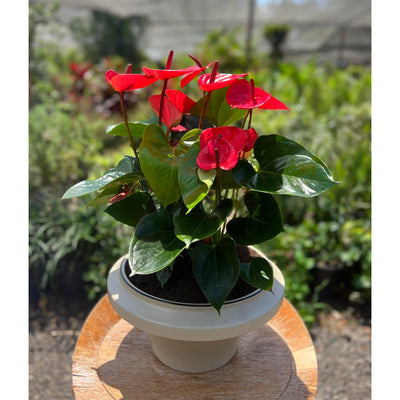 Anthurium in a pot as a gift
230.00 ₪לעמוד המוצר
Anthurium in a pot as a gift
230.00 ₪לעמוד המוצר
-
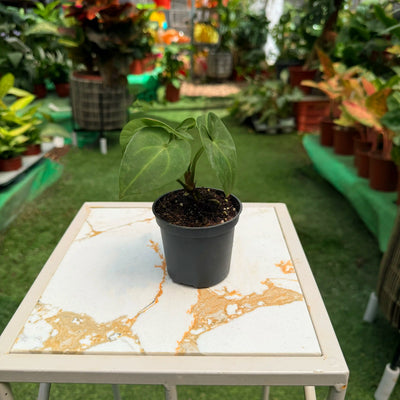 Anthurium clarinervium 7 cm pot diameter
45.00 ₪לעמוד המוצר
Anthurium clarinervium 7 cm pot diameter
45.00 ₪לעמוד המוצר
-
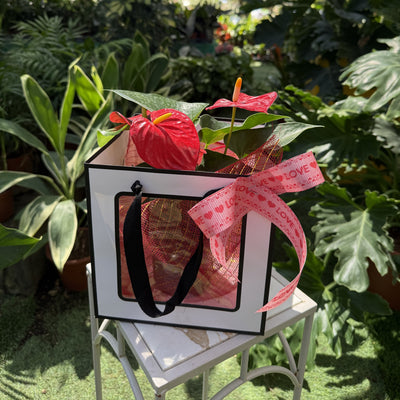 Red Anthurium in a gift box — the heart flower
החל מ-139.00 ₪לעמוד המוצר
Red Anthurium in a gift box — the heart flower
החל מ-139.00 ₪לעמוד המוצר
-
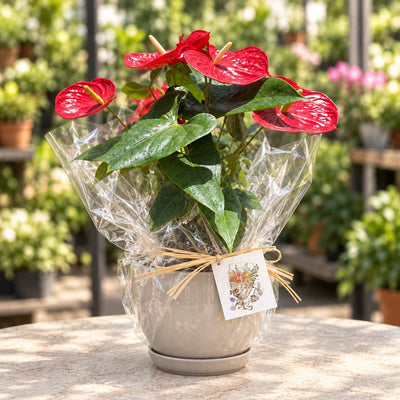 Red Anthurium 15 cm in a gift box with a gray pot and a personal note
166.80 ₪לעמוד המוצר
Red Anthurium 15 cm in a gift box with a gray pot and a personal note
166.80 ₪לעמוד המוצר
-
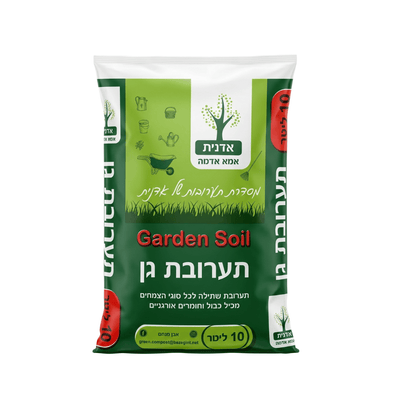 Migdal from the Northern Border 10 liter planting mix
14.00 ₪לעמוד המוצר
Migdal from the Northern Border 10 liter planting mix
14.00 ₪לעמוד המוצר
-
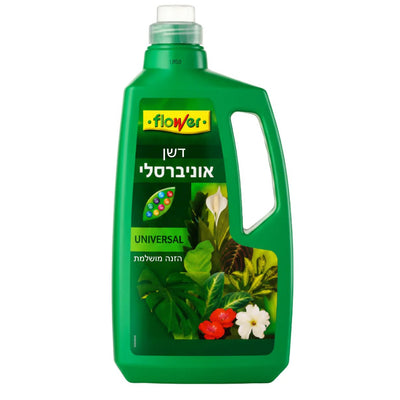 Universal Fertilizer 1.2 liters
45.00 ₪לעמוד המוצר
Universal Fertilizer 1.2 liters
45.00 ₪לעמוד המוצר
-
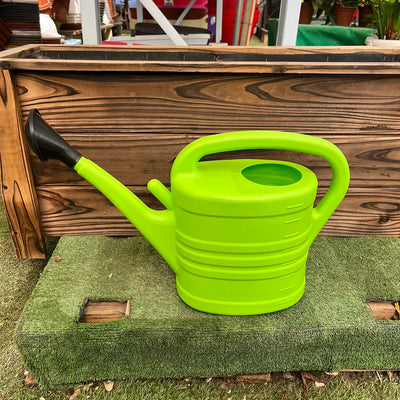 funnel
החל מ-18.00 ₪לעמוד המוצר
funnel
החל מ-18.00 ₪לעמוד המוצר

