

🔴 Red Aglaonema | The Complete Guide to Growing and Care
 המוצר מהמדריך זמין באתר
Dark red Aglaonema, 12 cm pot diameter
55.00 ₪
המוצר מהמדריך זמין באתר
Dark red Aglaonema, 12 cm pot diameter
55.00 ₪
📋 Quick summary - everything you need to know at a glance
Medium to light
Also tolerates shade!
Little
Only when the ground is dry
Very easy!
Ideal for beginners
Home / Office
Artificial lighting too!
Air purifier
Pollutant filter!
🌱 Getting to know red aglaonema
Naming and identification
- Hebrew name: Red Aglaonema
- Scientific name: Aglaonema
- Common names: Chinese Evergreen, Lucky Plant
- Family: Araceae
Origin and history
Native to the tropical regions of Southeast Asia and New Guinea , it has been grown as an ornamental plant for centuries in Asia and is considered a lucky plant .
The name "Aglaonema" comes from the Greek: "Aglos" (bright) + "Nema" (thread) - because of the bright patterns on the leaves.
Why is aglaonema red?
- 💪 Extremely durable: very hard to kill!
- 🌑 Shade tolerant: grows even in low light
- 🎨 Colorful: Red and pink shades
- 🌬️ Air purifier: filters pollutants
- 💧 Few requirements: minimal watering
- 🏢 Perfect for the office: Grows in artificial lighting
Characteristics
- Height: 30-90 cm
- Leaves: large, oval, shiny
- Color: Green with red/pink/silver
- Growth: Slow to moderate
⭐ Why is red aglaonema so easy to grow?
Aglaonema is one of the easiest houseplants to grow - it's almost impossible to kill!
Tolerates shade
Grows even in dark corners
Suffers from dryness
Forgive me if I forget to water.
Air conditioner suffers
Coping with dry air
Artificial lighting
Perfect for offices!
🎨 Popular varieties of Aglaonema
There are over 20 different varieties ! Here are the most spectacular:
🔴 Siam Aurora / Siam Aurora
Green leaves with red-pink edges. The most popular!
💖 Red Valentine
Bright pink-red leaves with green dots.
💋 Lipstick
A green center with bright red lips like lipstick!
✨ Silver Bay
Green with silver patterns. Classic and elegant.
🍋 Lemon Mint
Light green with a fresh lemon-yellow hue.
🌸 Pink Moon
Pink stems with pink leaf margins.
🌤️ Growing conditions - the key to success
☀️ Light - Amazing flexibility!
Light type: Red aglaonema adapts to almost any lighting conditions!
Bright, indirect light
Direct sun (you will burn!)
How does light affect colors?
- Bright light: Bright, vibrant colors - the red will be bright!
- Low light: The plant will survive, but the colors will be more faded.
- Artificial lighting: Suitable! Ideal for offices and shopping malls
💧 Irrigation - less is more!
Key principle: Aglaonema prefers relatively dry soil - it's better to forget to water than to water too much!
Watering frequency:
- Summer: once a week for up to ten days
- Winter: Once a week or two (or more!)
- Rule: When the soil is dry to a depth of 2-5 cm
Irrigation method:
- Water thoroughly until drained.
- Let the soil dry completely between bags.
- Drain standing water from the plate.
💨 Humidity
Requirement: Very flexible! Normal home conditions are sufficient .
Aglaonema can survive in dry air, but will thrive in higher humidity :
- 🛁 A bright bathroom - ideal!
- 🌿 Grouping with other plants
- 🪨 Pebble tray
🌡️ Temperature
Ideal range: 18-28°C - perfect normal home/office temperature!
- ✅ Normal room temperature is excellent
- ❄️ Minimum: not below 12°C
- ⚠️ Sensitive to cold - keep away from cold windows in winter
- ⚠️ Keep away from cold/hot air currents
🪴 Soil and pot
Soil type:
Drains well - this is the most important thing!
- ✅ Standard houseplant soil
- ✅ Peat + perlite + coconut
- ✅ Adding perlite improves drainage
Choosing a flower pot:
- Drainage holes: Critical!
- Size: Aglaonema likes to be a little crowded.
- Do not transfer to a pot that is too large.
Transfer to a pot:
- Every 2-3 years (slow growing!)
- A pot that is only one size larger
- Better in the spring
🧪 Fertilization
Aglaonema is not "hungry" - moderate fertilization is definitely enough!
Fertilization schedule:
Once a month
Once every two months
Full stop
Fertilizer type:
- Balanced liquid fertilizer: NPK 20-20-20
- Dilutions: Half the recommended concentration
✂️ Pruning and cutting
Pruning:
Aglaonema does not require much pruning:
- Remove yellow or dry leaves.
- Prune long, "leggy" stems to encourage dense growth.
- Flowers can be cut (if they appear) - diverts energy to the leaves
- Clean dust from the leaves - improves light absorption!
Cutting - very easy!
Two main methods:
🔄 Method 1: Division (the easiest!)
- Remove the plant from the pot.
- Shake or wash the soil.
- Gently separate the seedlings/sprouts.
- Plant each part in a separate pot.
- Stay hydrated.
When: During potting, in spring
🌱 Method 2: Stem cutting
- Cut a stem 10-15 cm long.
- Place in water or moist soil
- Wait for roots to develop (a few weeks)
- Planted in the ground
Tip: Even short stem cuttings without leaves can root!
🔧 Common problems and solutions
🟤 Brown leaf edges
The most common problem!
- Hard water with salts/chlorine/fluoride
- Overfertilization
- Air is too dry
Solution: Use filtered water or leave tap water in an open container overnight.
🟡 Yellow leaves
Possible reasons:
- Overwatering - the most common!
- Lack of irrigation
- Lack of light
- Natural aging (lower leaves)
Solution: Check soil moisture - usually watering should be reduced
🥀 Loose/wilted leaves
Possible reasons:
- Overwatering (wet soil)
- Deficiency irrigation (dry soil)
- cold
Solution: Check the soil - if it's wet, stop watering!
🎨 Faded colors
Reason: Lack of light!
Solution: Move to a brighter location (not direct sun). Colored varieties need more light.
🌿 Leaves/stems too erect
Reason: Lack of water!
Solution: Water it - the plant will return to normal.
🪴 "Reglony" plant
Reason: Lack of light
Solution: Trim the long stems, move to a brighter location. The cuttings can be rooted!
🐛 Common pests
Aglaonema is relatively resistant to pests , but it is worth knowing:
White lumps like wool.
Treatment: Alcohol + cloth
Thin webs, dots on leaves.
Treatment: Neem oil, moisturizing
Hard brown lumps.
Treatment: Manual removal, potassium soap
Small flies in the ground.
Treatment: Reduce watering, yellow traps
🌬️ Aglaonema purifies the air!
A NASA study identified aglaonema as one of the most effective houseplants for purifying air!
Benzene
From plastic products and paints
Formaldehyde
From furniture and building materials
Adds moisture
Through the ink from the leaves
Reduces stress
Improves mood
❓ Frequently Asked Questions
No, on the contrary! It is one of the easiest houseplants. It is almost impossible to kill it.
Yes! Grows great under artificial lighting (fluorescent or LED). Ideal for offices!
Slow! Slow to moderate growth. The pot you bought will not grow significantly fast.
Yes, sometimes! Small white flowers resembling spathiphyllum. They are not impressive - most people grow it for the leaves.
Lack of light! Colored varieties (red/pink) need more light than green ones. Move to a brighter location.
Usually hard water! Salts, chlorine and fluoride in tap water. Try filtered water or leave tap water in an open container overnight.
🍀 Chinese lucky plant
In Asia, Aglaonema is considered a lucky plant and has been grown for centuries!
Brings luck and blessings to all residents
Improves concentration and productivity
A perfect gift for a new home or business!
🛒 Recommended products from Deco Garden
Red aglaonema
In a variety of varieties
Foliar fertilizer
Balanced, fluid
spray
For spraying leaves
Soil for houseplants
Drains well
Decorative flower pots
With drainage
Leaf cleaning cloth
Microfiber
📊 Summary table - all information in one place
| category | Details |
|---|---|
| ☀️ Light | Medium to low, tolerates shade and artificial lighting |
| 💧 Irrigation | Little! When the soil is completely dry |
| 💨 Humidity | Flexible - sufficient home conditions |
| 🌡️ Temperature | 18-28°C, minimum 12°C |
| 🧪 Fertilization | Once a month in spring-summer |
| 🌱 Earth | Drains well, likes light compaction |
| 📏 Size | 30-90 cm |
| 📊 Difficulty level | Very easy - perfect for beginners! |
| 🌬️ Special advantage | Air purifier (NASA) |
🔴 Deco Garden - Love for Plants
Do you have questions about growing red aglaonema? Need help? We're here for you!
📧 Contact us | 📱 Follow us on social media | 🌱 Buy plants and products
© 2025 Deco Garden - All rights reserved
The guide was written by the Deco Garden team of experts.
🛒 המוצרים מהמדריך
הצמחים והמוצרים שהמדריך מדבר עליהם — לחיצה על כרטיס מעבירה לעמוד המוצר.
-
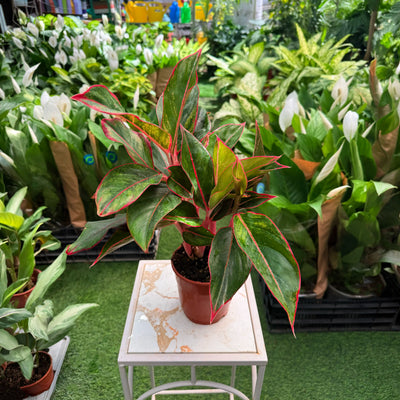 Dark red Aglaonema, 12 cm pot diameter
55.00 ₪לעמוד המוצר
Dark red Aglaonema, 12 cm pot diameter
55.00 ₪לעמוד המוצר
-
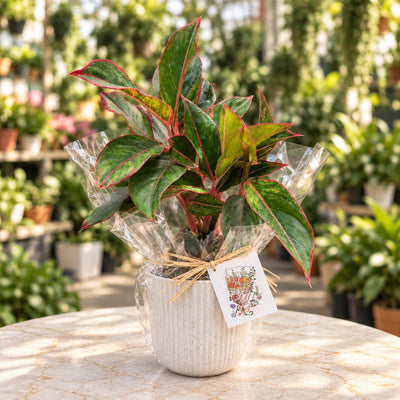 12 cm Aglaonema in a gift box with a white speckled pot and a personal note
120.00 ₪לעמוד המוצר
12 cm Aglaonema in a gift box with a white speckled pot and a personal note
120.00 ₪לעמוד המוצר
-
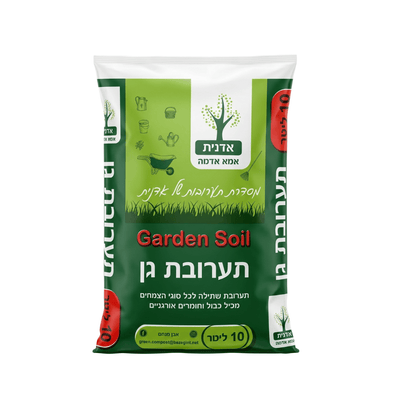 Migdal from the Northern Border 10 liter planting mix
14.00 ₪לעמוד המוצר
Migdal from the Northern Border 10 liter planting mix
14.00 ₪לעמוד המוצר
-
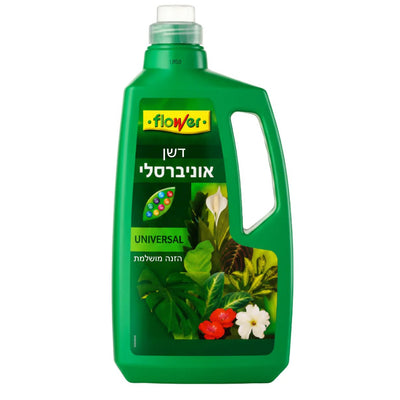 Universal Fertilizer 1.2 liters
45.00 ₪לעמוד המוצר
Universal Fertilizer 1.2 liters
45.00 ₪לעמוד המוצר
-
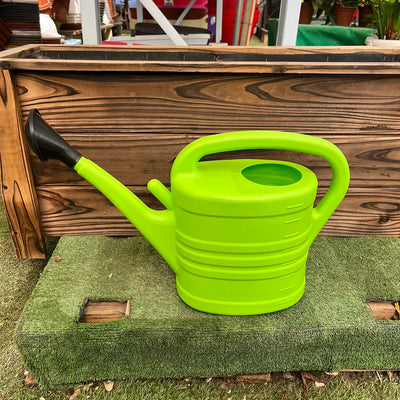 funnel
החל מ-18.00 ₪לעמוד המוצר
funnel
החל מ-18.00 ₪לעמוד המוצר
