
Why should you start growing a spice garden in your yard?
How can you start a spice garden in your yard?

Why should you start growing a spice garden in your yard?
Starting a herb garden in your yard offers many benefits. First, it provides you with a fresh supply of herbs for cooking, which can enhance the flavor of your dishes. Homemade herbs often taste better than store-bought ones. Plus, growing herbs can be a relaxing and rewarding hobby. It's a great way to spend time outdoors and enjoy nature. A herb garden can also beautify your yard and add greenery and pleasant scents. Finally, growing your own herbs can save you money, as you won't have to buy them as often.
What herbs are best to grow in your yard?
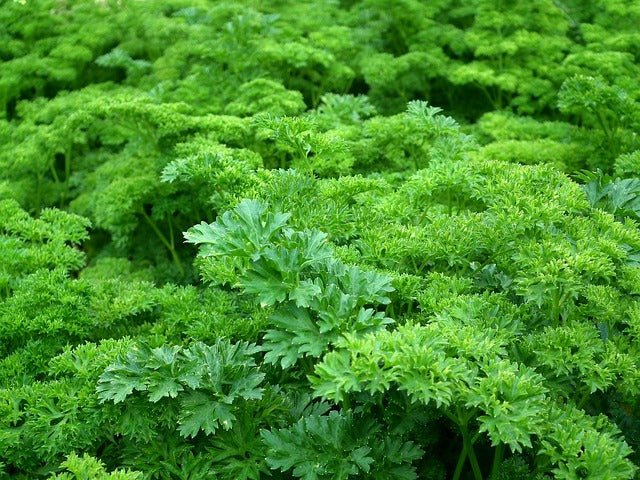
When deciding which herbs to grow in your yard, it’s important to consider factors like climate, soil, and personal preference. Common choices include basil, which thrives in warm weather and is perfect for adding to salads and pasta dishes. Rosemary is another great option, known for its hardiness and aromatic qualities. It pairs well with meats and potatoes. Cilantro and parsley thrive in slightly cooler weather and are perfect for Israeli dishes we love so much, like falafel.

How to start a spice garden in your yard?
If you've decided to start a herb garden in your yard, there are a few steps that can help you get started in an organized and efficient manner. Here's a quick guide on how to approach the task:
1. Choose the appropriate location
A herb garden needs direct sunlight to grow best. It is important to choose a spot in your yard that gets full sun (at least 6 hours a day). If you have limited space, you can also consider growing herbs in pots or containers that can be placed in bright locations.
2. Preparing the soil
Many herbs require well-aerated soil with a suitable pH level (between 6 and 7 pH). It is important to ensure that the soil is well-drained, so that water does not accumulate and cause rot. You can add compost or organic fertilizer to improve the quality of the soil.
3. Choose your spices
Not all herbs are suited to the same type of soil or weather. Therefore, it is important to choose herbs that are suited to your climate and existing yard conditions. If you live in a warm area, basil, thyme, and chives will be excellent. If you have colder weather, then herbs like rosemary, mint, and sage can do well.
4. Planting
Once you have found the right location and prepared the soil, it is time to plant your herbs. If you are starting from seeds, you can plant them shallowly in the soil and water them frequently to ensure they germinate well. If you are starting from seedlings, simply dig a hole of the appropriate size and place the seedling in.
5. Irrigation and maintenance
Herbs usually don't need much watering, but it's important to maintain an appropriate level of humidity. Watering once or twice a week is usually sufficient, especially for established plants. Regular maintenance such as cutting back dried branches or pruning unruly plants is also important to the success of the garden.
6. Harvesting and use
Herbs like rosemary, thyme, and sage can be harvested year-round. To ensure fresh, healthy plants, it’s important to harvest the leaves correctly – a light pinch every now and then will encourage the plants to grow and spread.

Additional tips:
Growing in pots: If you don't have a lot of space in your yard, you can plant the spices in pots or containers and place them on window sills or outdoor counters.
Protecting Plants: Watch out for pests and insects, and if you notice problems like yellow leaves or insects, it's a good idea to address them quickly to prevent damage to the plants.
Summary:
Starting a herb garden in your yard doesn't have to be a daunting task. With a little planning and maintenance, you can enjoy a steady supply of fresh herbs that will add wonderful flavor to your dishes and add color and fragrance to your outdoor life.
*The article is written in the masculine gender but is addressed to both genders.